
research group
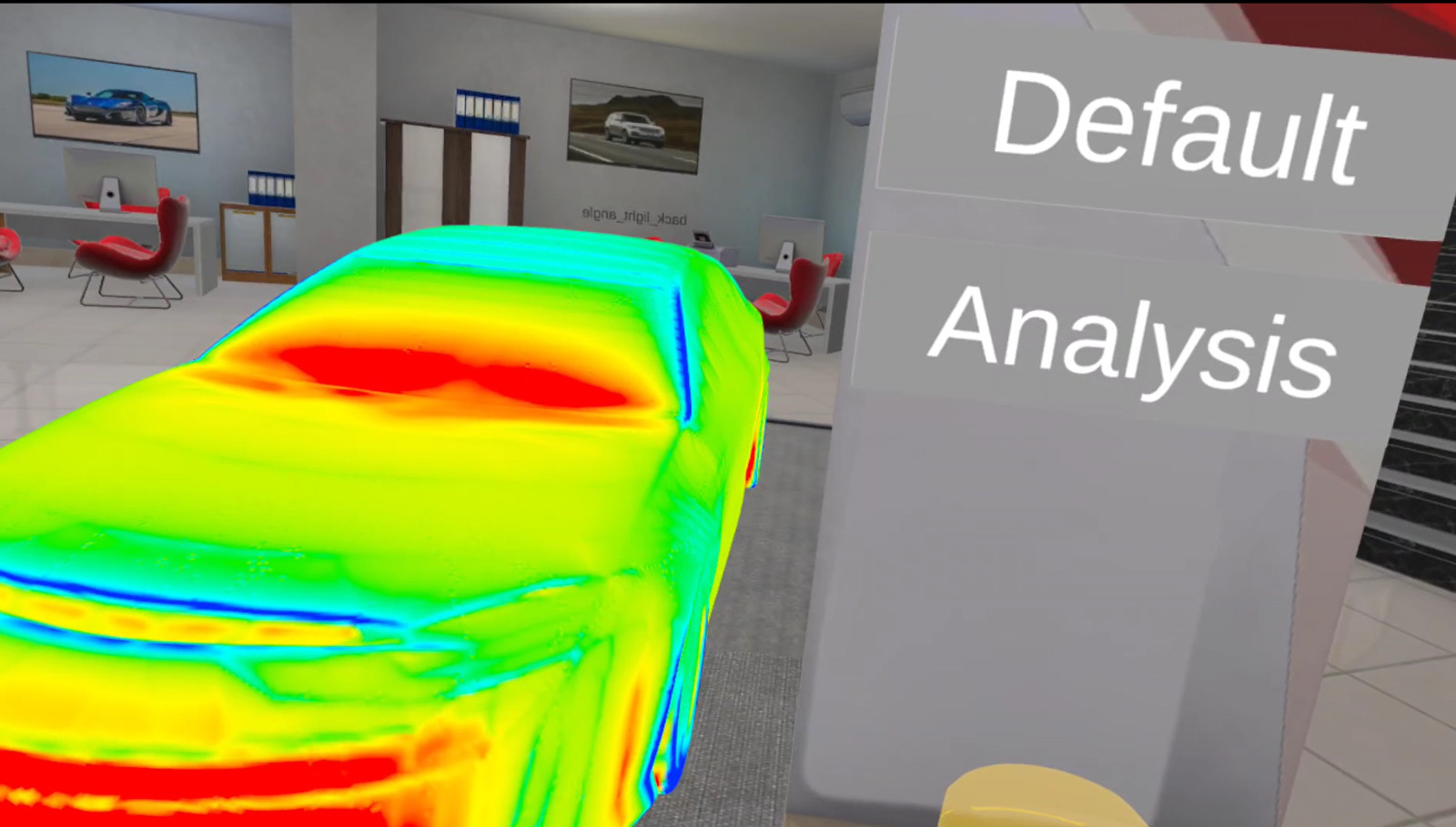
We are featured in Automazione Oggi
This month, Marco Evangelos Biancolini has contributed a comprehensive article to Automazione Oggi, a distinguished publication in the realm of industrial software and engineering innovation.
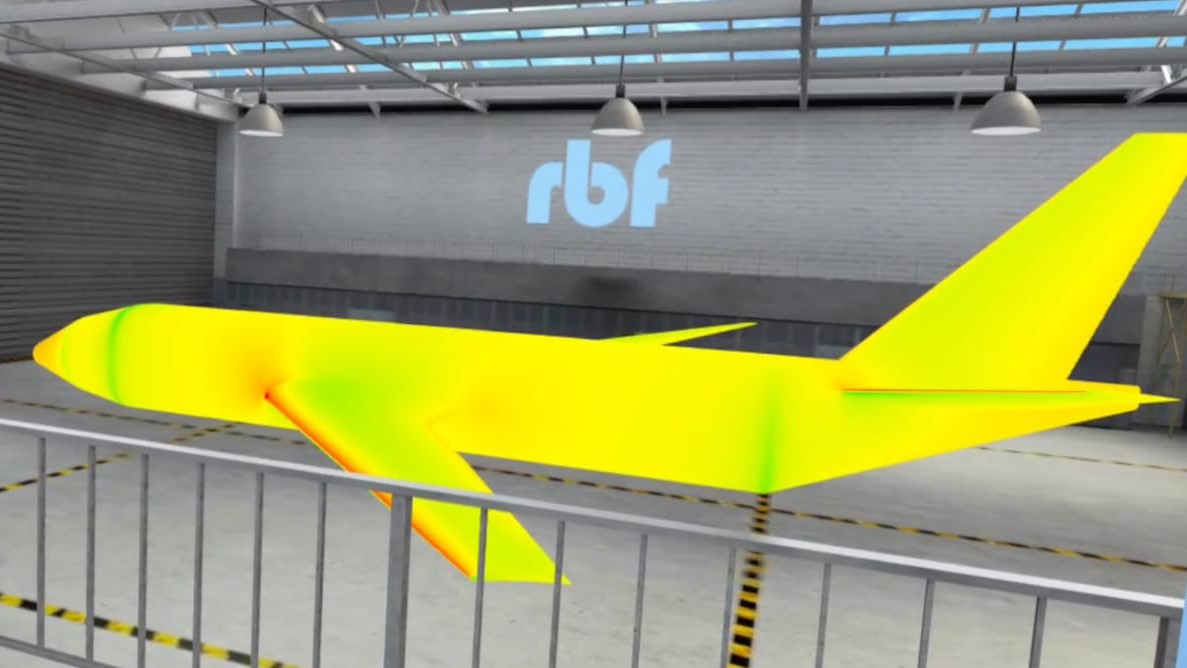
DigiPAD: Advancing Aircraft Design, a Collaborative Showcase at Tech Transfer Day
On November 14, the Tech Transfer Day will be held at the University of Rome Tor Vergata, where RBF Morph will present a dedicated booth focused on the DigiPAD project.
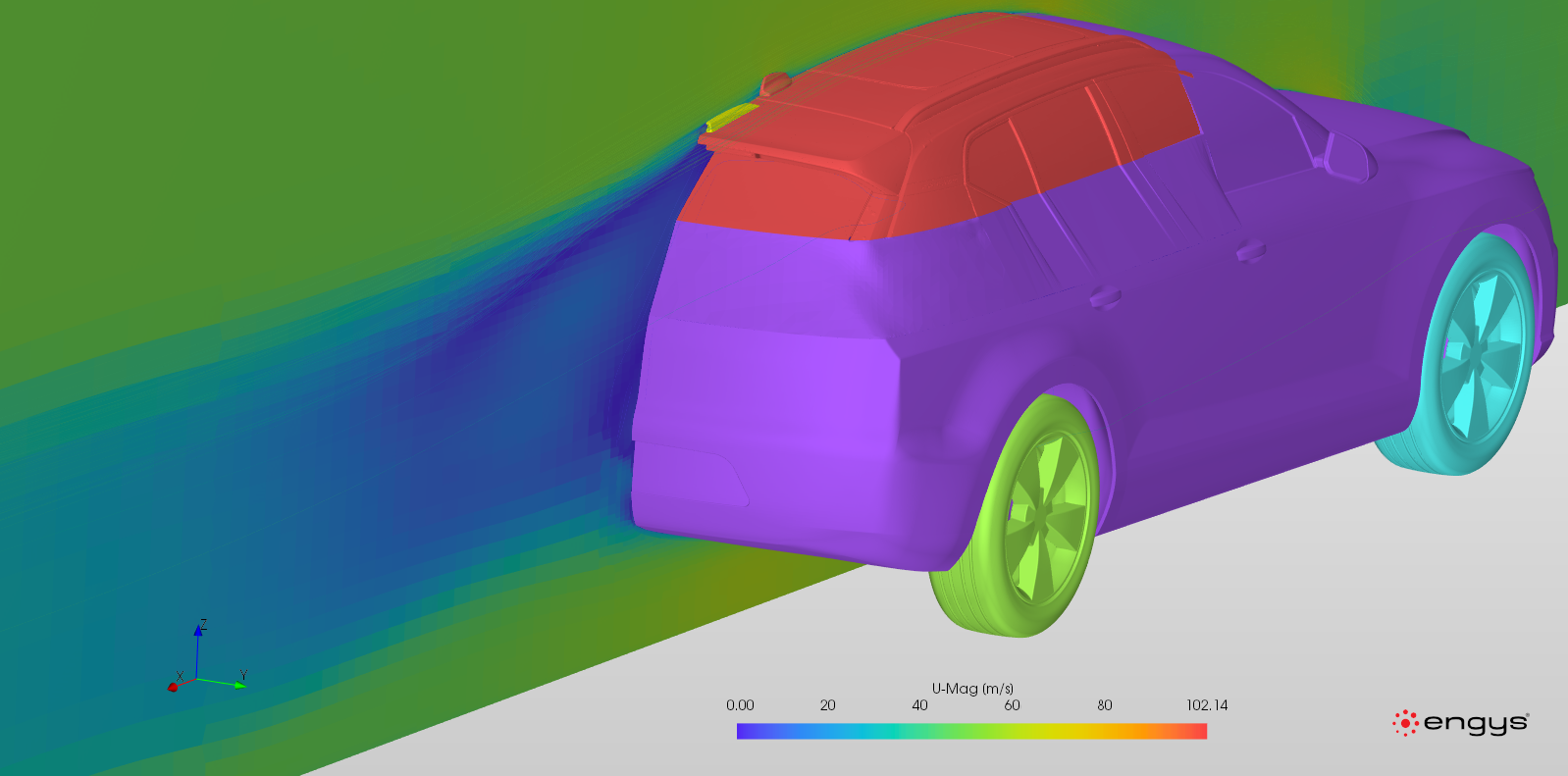
Optimization of a Rear Camera Using CFD and Mesh Morphing
Lorenzo D’Anastasio’s thesis, titled “Optimization of a Rear Camera Using CFD and Mesh Morphing,” presents a comprehensive exploration of aerodynamic optimization through advanced Computational Fluid Dynamics (CFD) analysis and mesh morphing techniques. Conducted in collaboration with Università degli Studi di Roma Tor Vergata, ENGYS, Volvo, and RBF Morph, this study underscores the contributions of RBF Morph software in achieving refined geometric modifications that enhance aerodynamic performance.
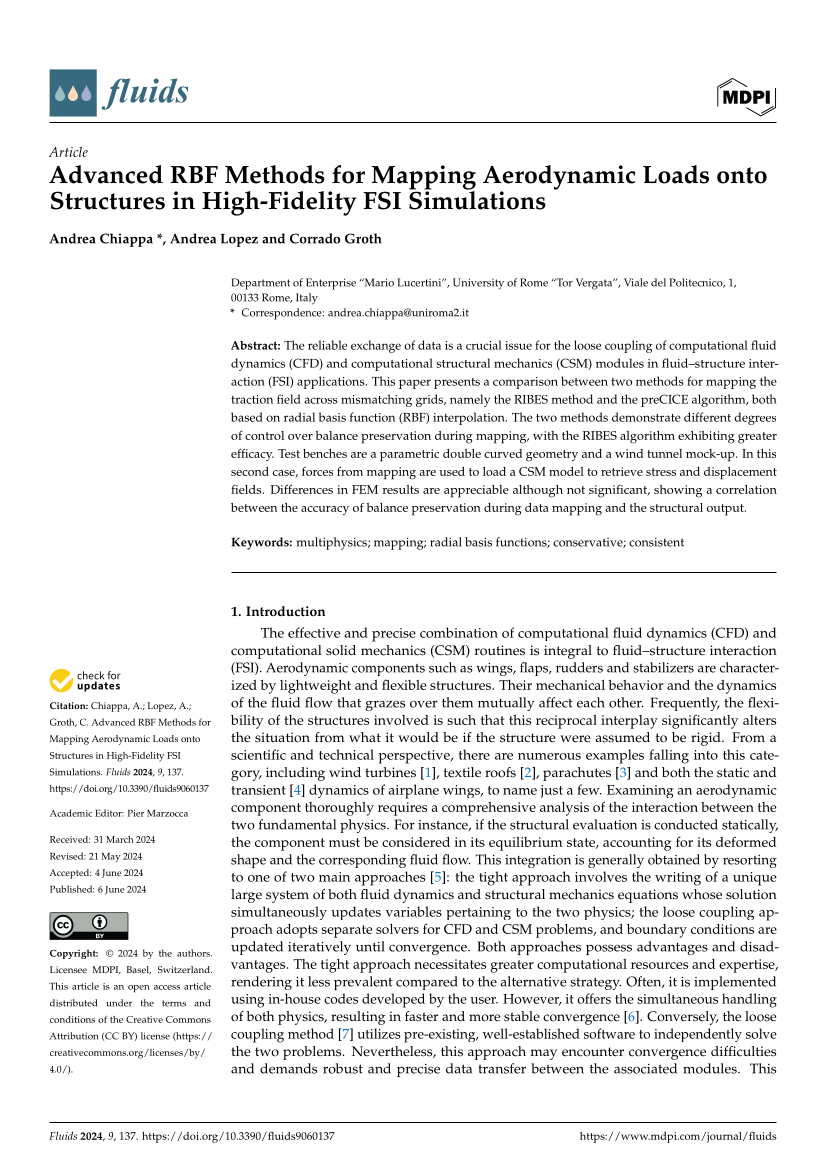
New paper: Advanced RBF Methods for Mapping Aerodynamic Loads onto Structures in High-Fidelity FSI Simulations
We are happy to share with you Our new work on mapping methods for Fluid Structure Interaction.
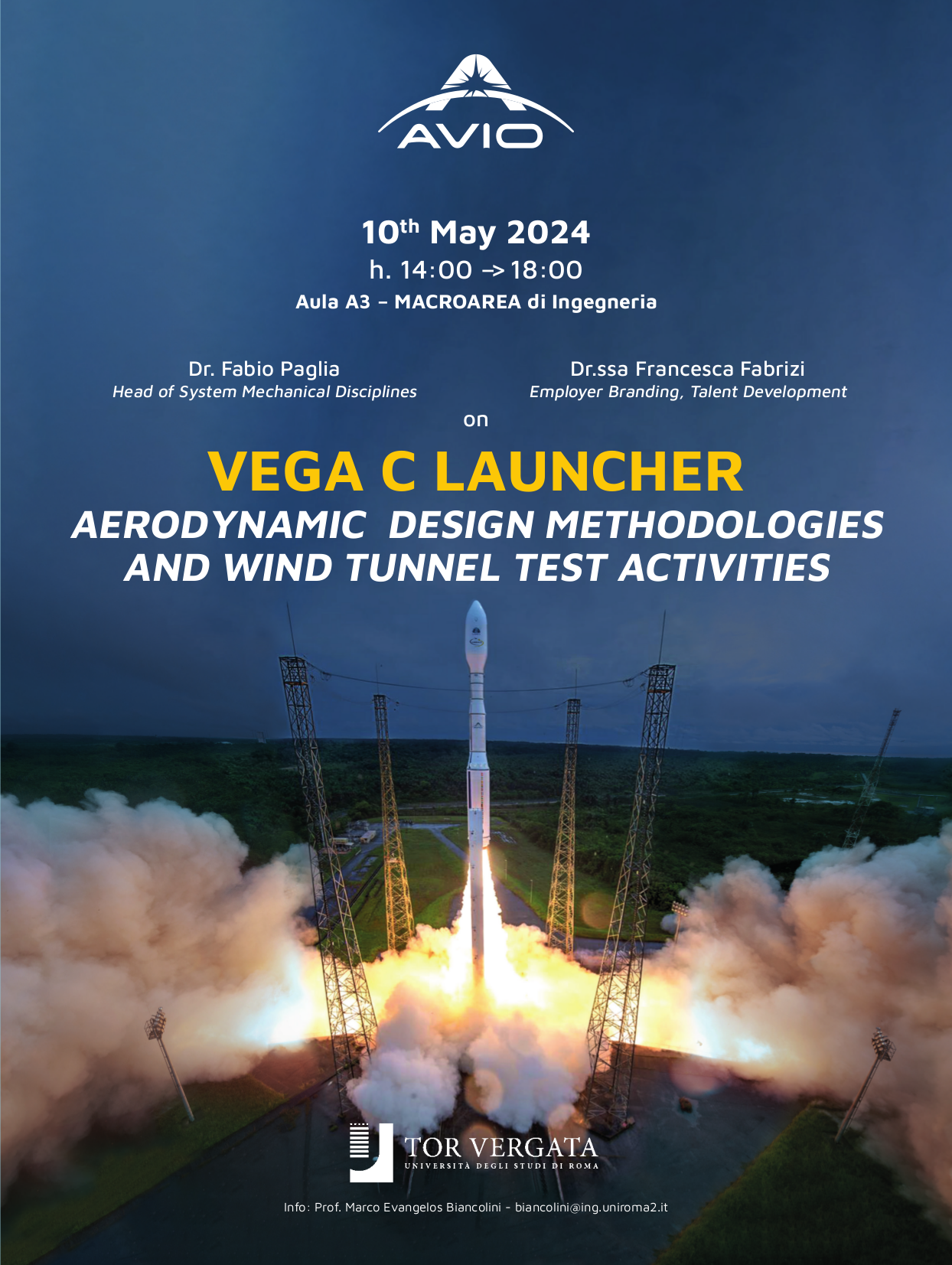
AVIO Workshop in Tor Vergata
We are happy to invite you on May the 10TH to the Workshop entitled “Vega C launcher aerodynamic design methodologies and wind tunnel test activities” hosted at the Tor Vergata University of Rome. The invited speakers from AVIO are:
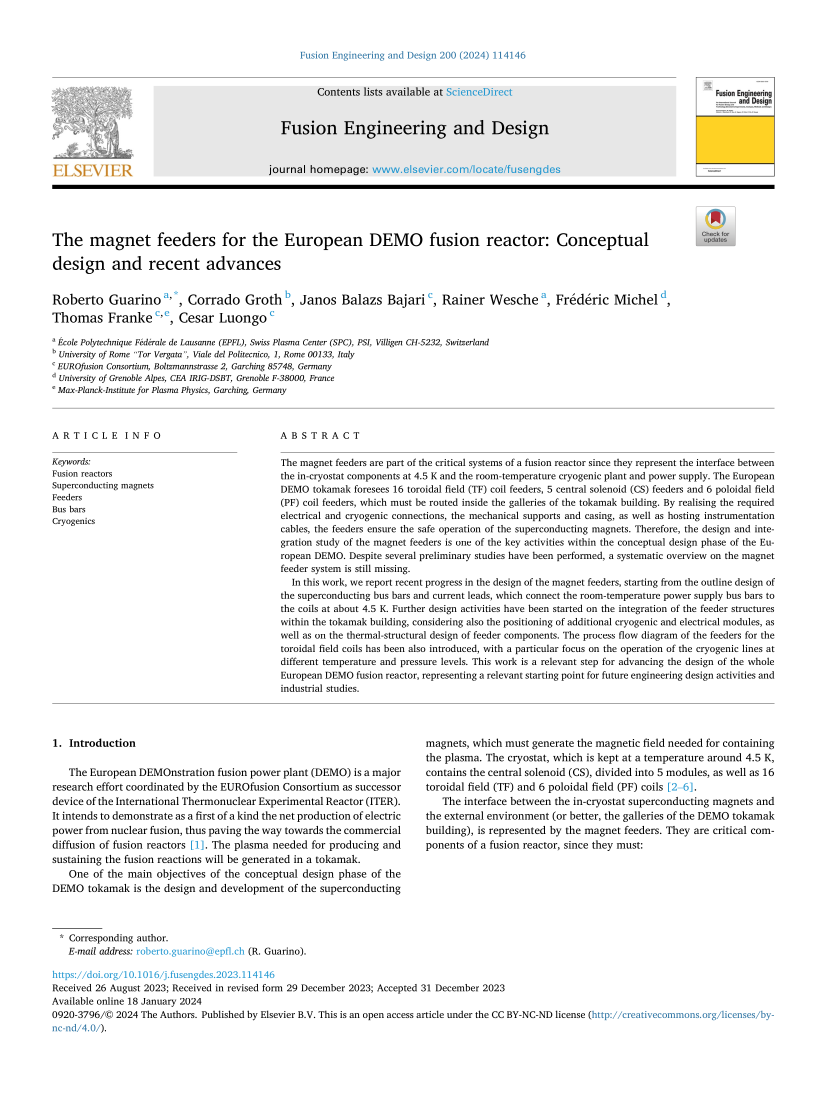
New paper: The magnet feeders for the European DEMO fusion reactor: Conceptual design and recent advances
It was just published Our latest work about the recent advances and the conceptual design of DEMO feeders.
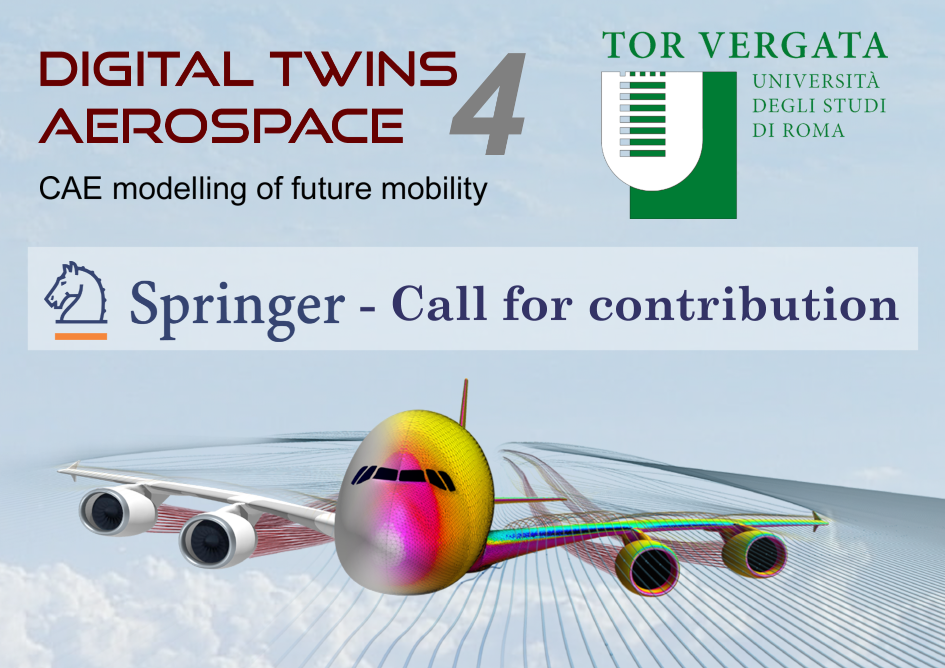
Digital Twin for Aerospace - Call for contribution
December 14th, 2022 the University of Rome “Tor Vergata” guested the workshop titled “Digital Twin for Aerospace”. The event was an occasion for researchers and engineers, from both academia and industry, to present the status of research on numerical analysis and design methodologies in the aerospace field. The topics focused on methods suitable to improve the design process of aircraft, rockets and satellites but it also offered the opportunity to highlight how other fields of engineering can benefit from the availability of numerical tools able to efficiently model the physics involved in complex mechanical systems.
Digital Twins 4 Aerospace presentations
The University of Rome “Tor Vergata” guested, December 14th, the workshop titled Digital Twins 4 Aerospace: CAE modelling of future mobility. The event was an occasion for researchers and engineers, from both academia and industry, to present the status of research in numerical analysis and design methodologies in the aerospace field. The topics focused on tools suitable to improve the design process of aircraft, rockets and satellites but it also offered the opportunity to highlighted how other field of engineering can benefit from the availability of numerical tools able to efficiently model the physics involved in complex mechanical systems. The workshop was organized by Marco Evangelos Biancolini and Ubaldo Cella, respectively Professor of Machine Design and researcher at the Enterprise Engineering department “Mario Lucertini”.
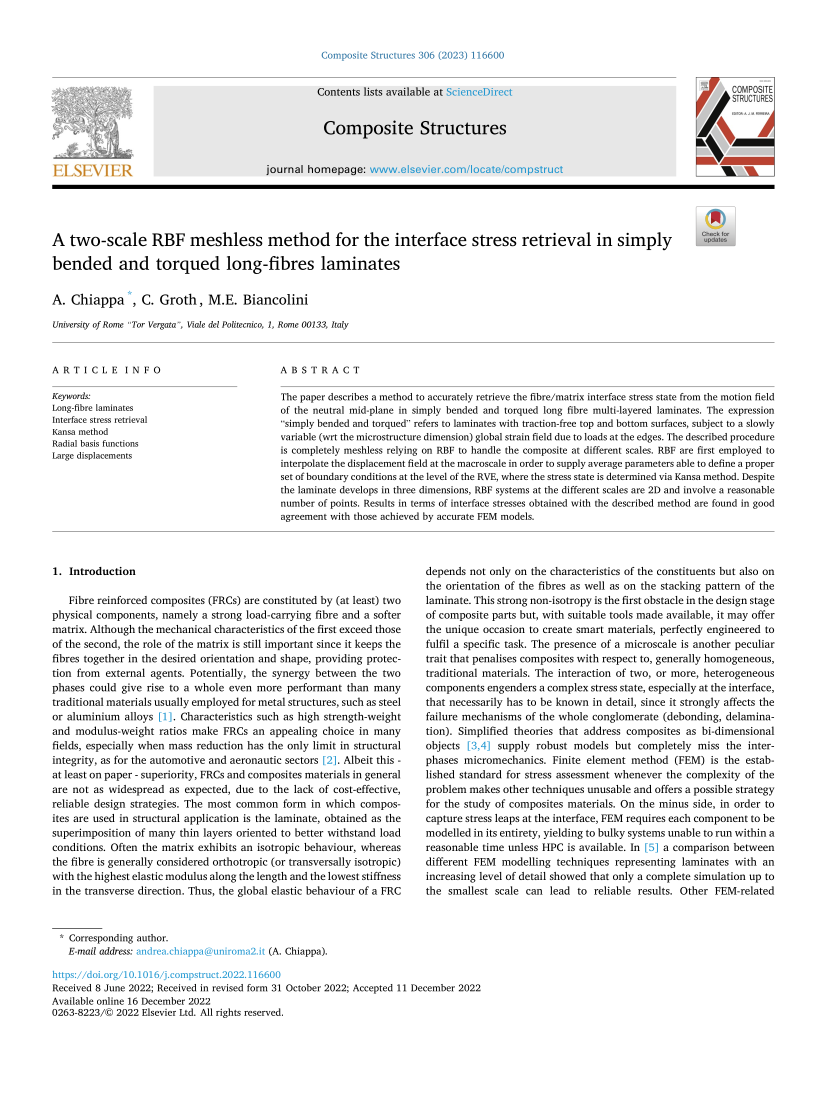
New paper: A two-scale RBF meshless method for the interface stress retrieval in simply bended and torqued long-fibres laminates
We have just released Our new work focused on the meshless interface stress retrieval for long fiber composites.