
research group
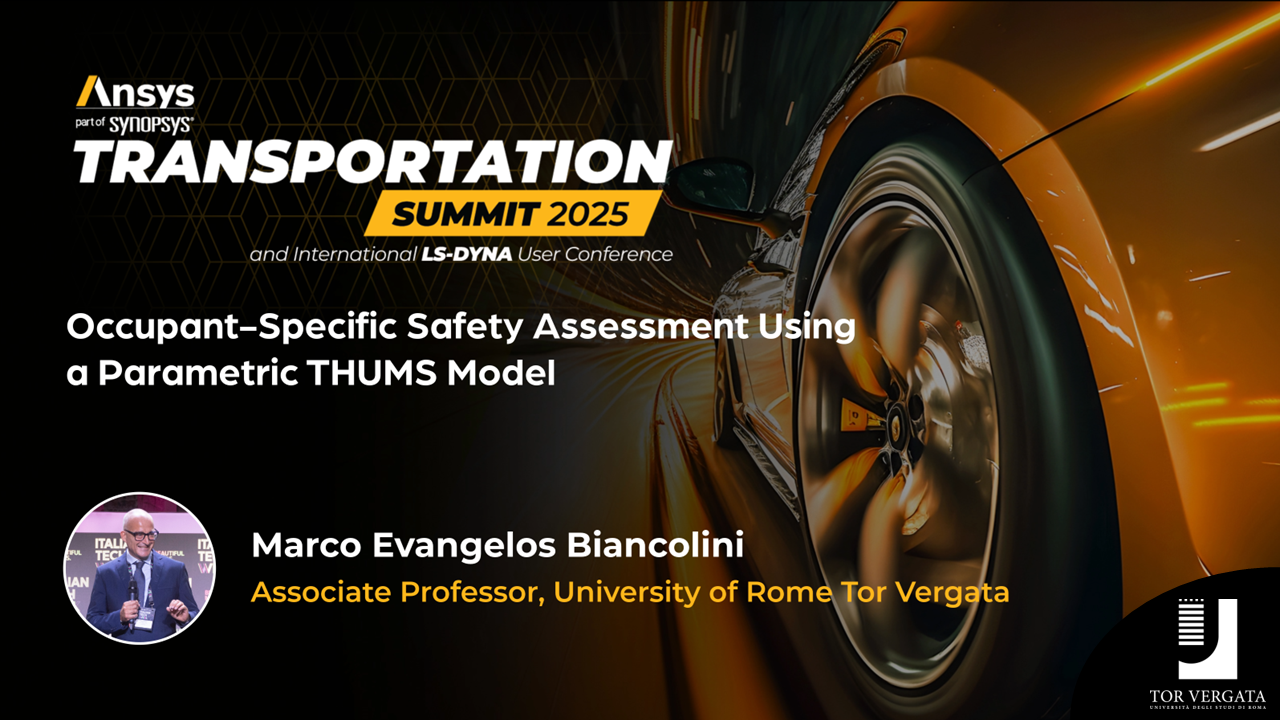
Prof. Marco Biancolini to Present at the ANSYS EMEA Transportation Summit 2025
rbfLAB is proud to announce the participation of Prof. Marco Evangelos Biancolini, Associate Professor at the University of Rome Tor Vergata, at the upcoming Ansys EMEA Transportation Summit and LS-DYNA User Conference 2025.

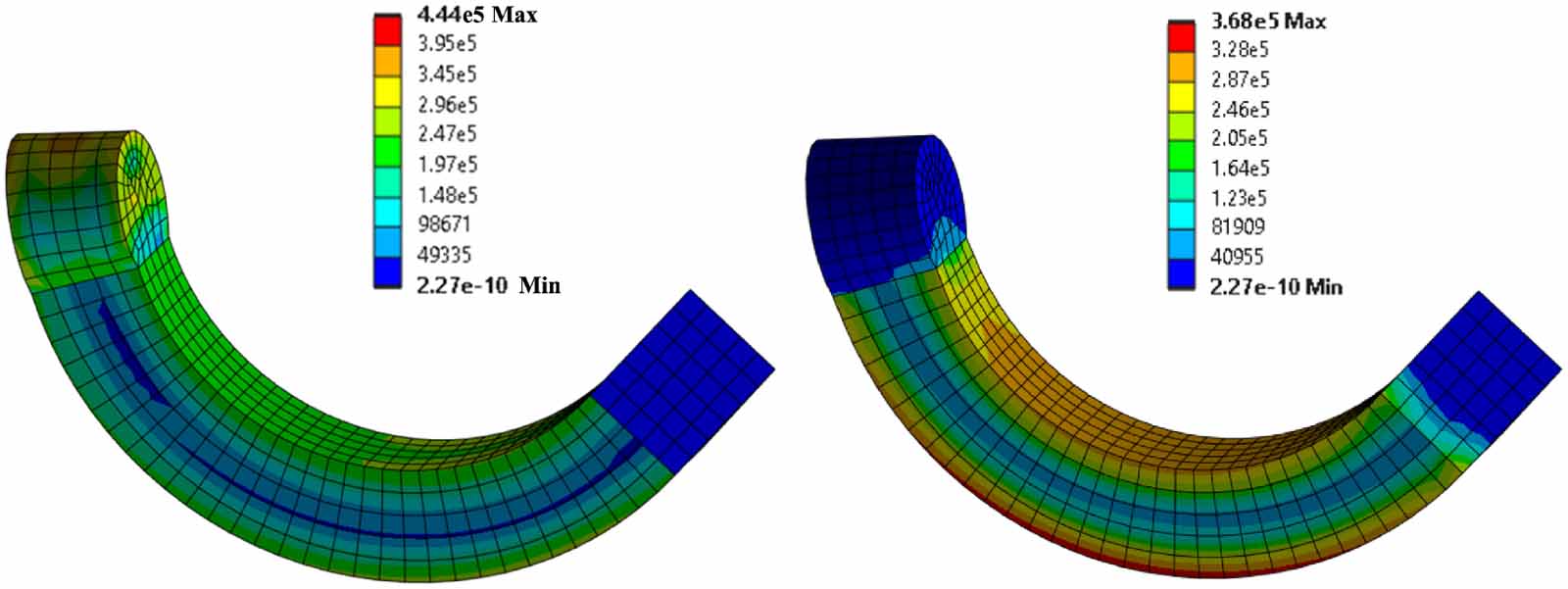
New Publication: Computational Simulation of Shape-Memory Polymer Structures via Finite Elements and Mesh Morphing
We are pleased to announce the publication of our latest work in Smart Materials and Structures:
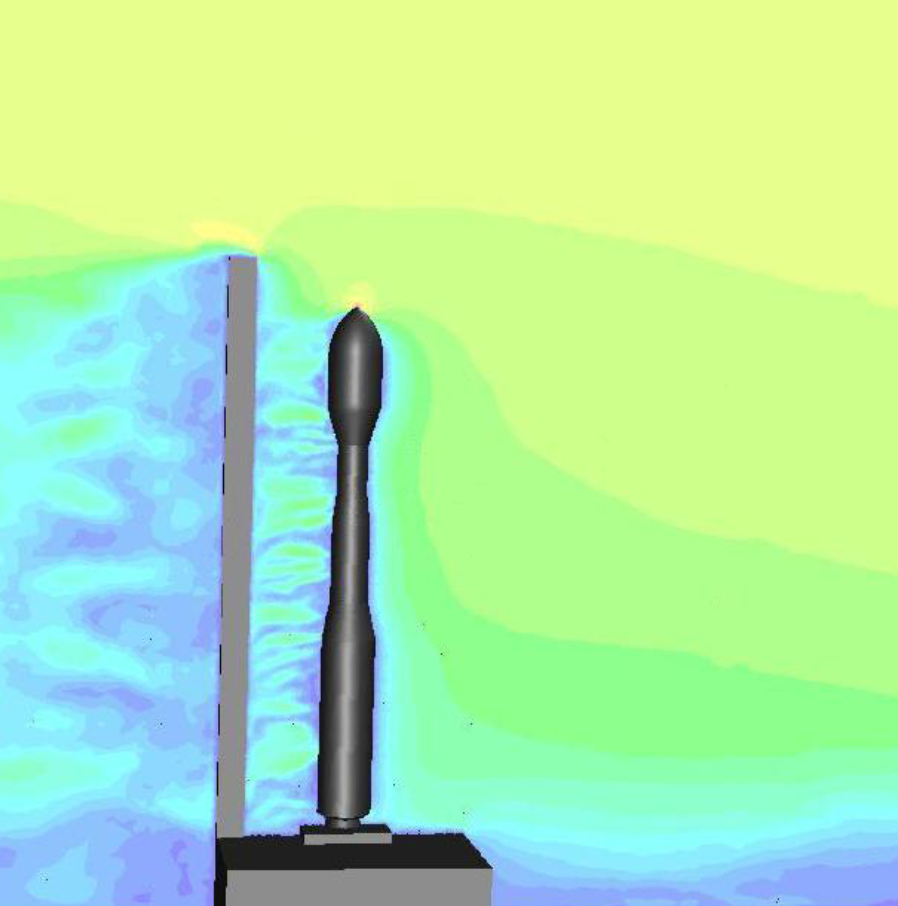
Aeroelastic Characterization of the VEGA C Launch Vehicle under Ground Wind Loads: EUCASS 2025 Presentation Now Available
The presentation “Dynamic Response of the VEGA C Launch Vehicle Subjected to Wind Effect on Ground”, delivered at EUCASS 2025, is now available for download. This work represents the outcome of a collaboration between AVIO, RBF Morph, and the University of Rome Tor Vergata, and addresses a critical aspect of launch vehicle safety and performance evaluation: the aeroelastic behavior of the VEGA C launcher exposed to wind loading during ground operations.
rbfLAB at the 54th AIAS Conference
rbfLAB will participate in the 54th Annual AIAS Conference (Italian Association for Stress Analysis), scheduled to take place from 3–6 September 2025 at the Centro Didattico Morgagni (CDM), University of Florence.
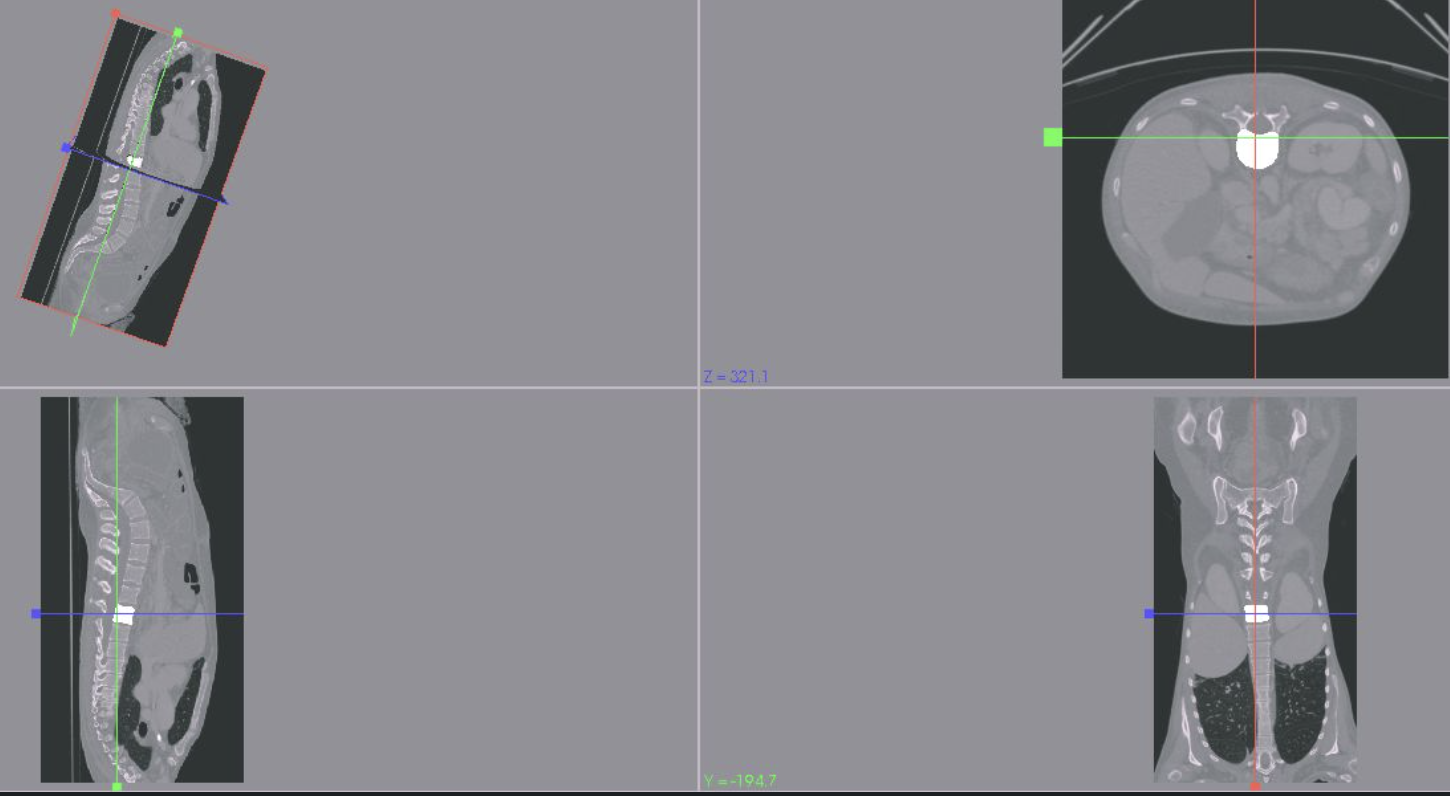
New Thesis on the Biomechanical Characterization of the L1 Vertebra Through Statistical Modelling and Mesh Morphing
We are pleased to announce the release of the Master’s thesis authored by Francesco Pais at the University of Rome Tor Vergata, entitled A Characterization of the Vertebral Body of L1 Vertebra’s Mechanical Properties through Statistical Shape and Appearance Modelling. The full thesis is now available for download.
Call for Applications: Study Prizes for Master's Theses on Sustainable Development – University of Rome Tor Vergata
The Office for Sustainable Development at the University of Rome Tor Vergata has announced a public call for applications for the awarding of 12 study prizes to students who, during the 2023/2024 academic year, obtained a Laurea Magistrale or Laurea Magistrale a Ciclo Unico at the University by discussing a thesis on topics related to sustainable development, in alignment with the goals outlined in the United Nations 2030 Agenda.

Publication Announcement: A New Analytical Approach to Elastic–Plastic Threaded Connection Modeling
We are pleased to announce the publication of a new peer-reviewed article in Applied Mechanics:
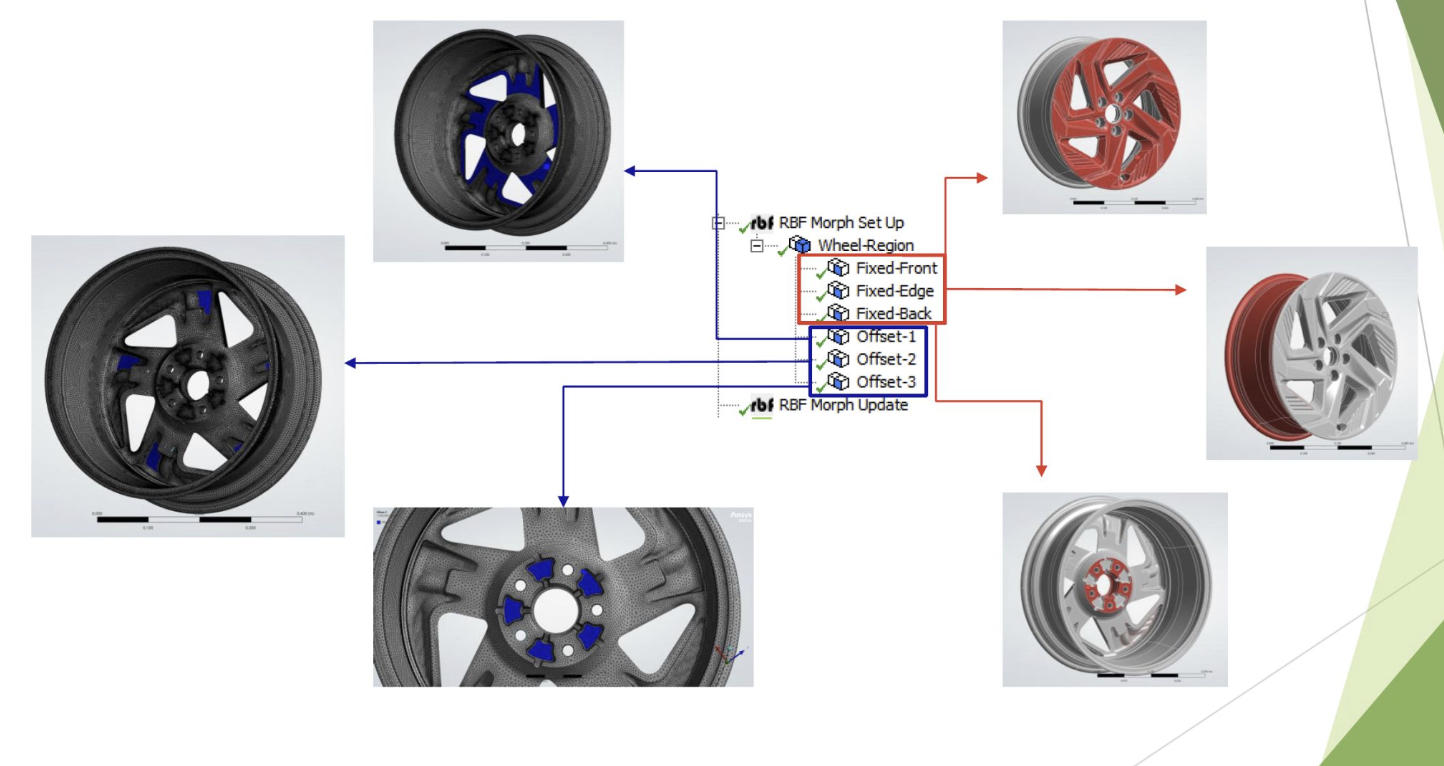
Structural Optimization of a Automotive Wheel Rim Through RBF Mesh Morphing and Bio-Inspired Methods
A thesis by Matteo Bisin (University of Rome Tor Vergata), titled Structural Optimization of an Automotive Wheel Rim Using the BGM Method, has been published. The work investigates the application of Radial Basis Function (RBF) mesh morphing technology in the context of structural optimization, focusing on its ability to perform high-quality shape modifications within an integrated simulation environment.
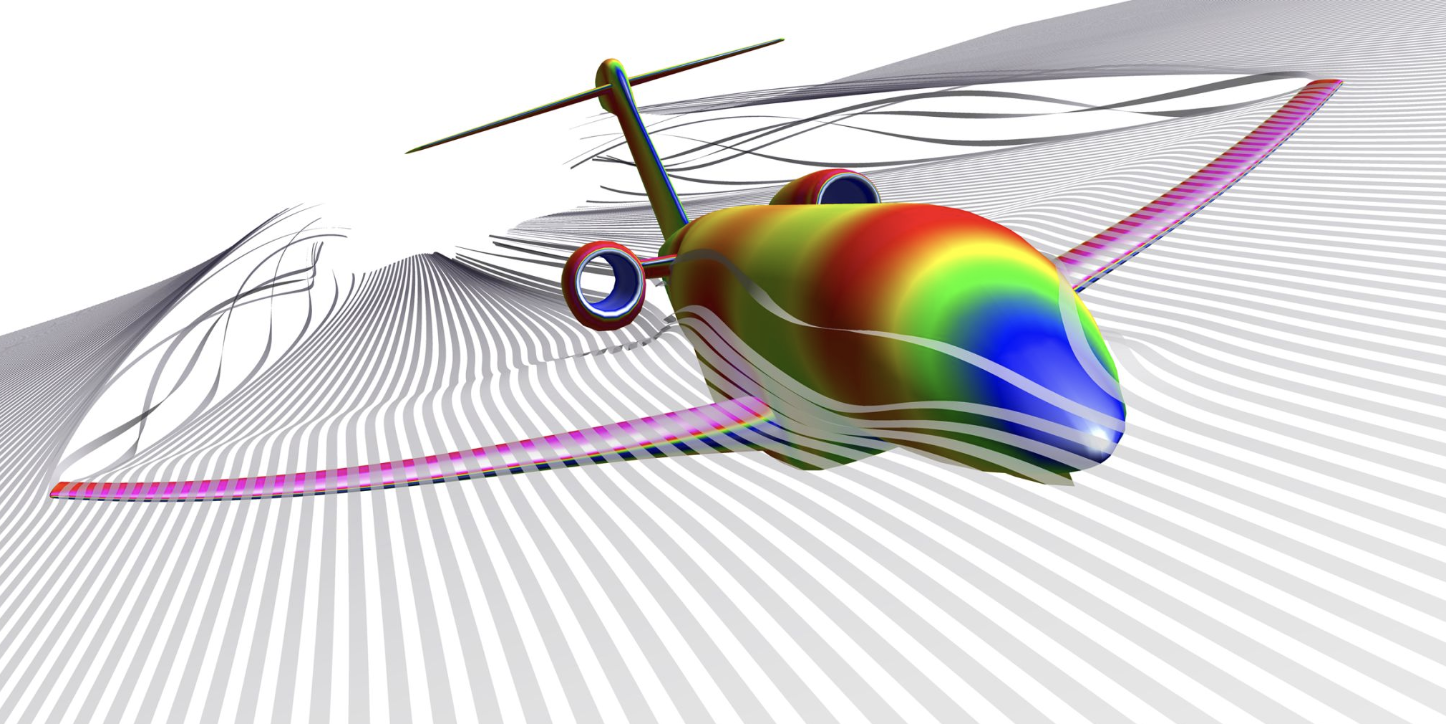
Advancing High-Fidelity Aeroelastic Modelling: Ubaldo Cella’s Doctoral Research at the University of Rome Tor Vergata
The Department of Industrial Engineering at the University of Rome Tor Vergata is pleased to highlight the doctoral thesis of Ubaldo Cella, titled “Setup and Validation of High-Fidelity Aeroelastic Analysis Methods Based on RBF Mesh Morphing.” This research, conducted in collaboration with Piaggio Aerospace, represents a significant contribution to the field of aeroelasticity and fluid–structure interaction (FSI) for aerospace applications.