
research group
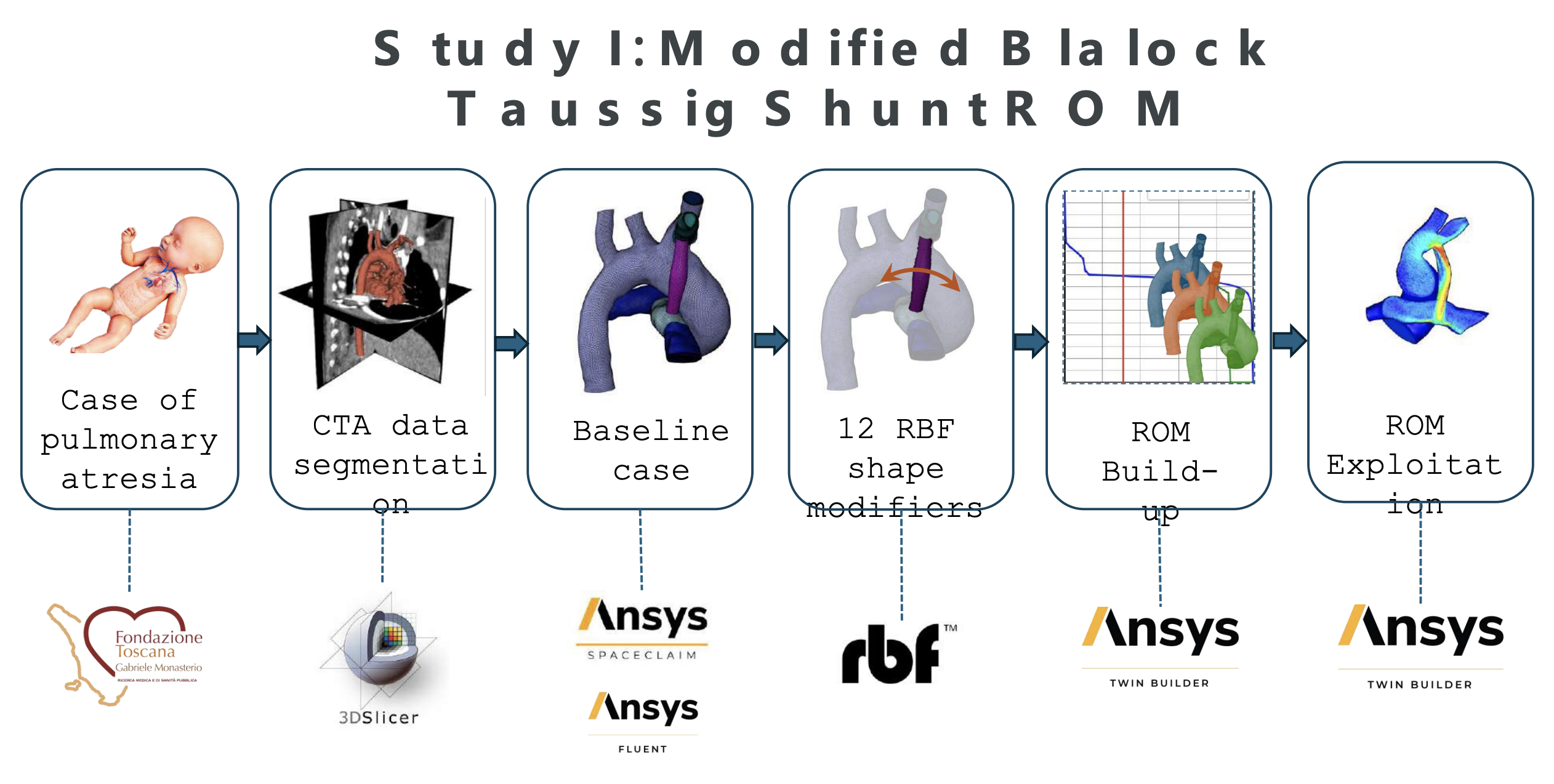
The Role of RBF mesh morphing in Cardiovascular Computational Modeling: A Critical Examination of Eirini Kardampiki’s Thesis
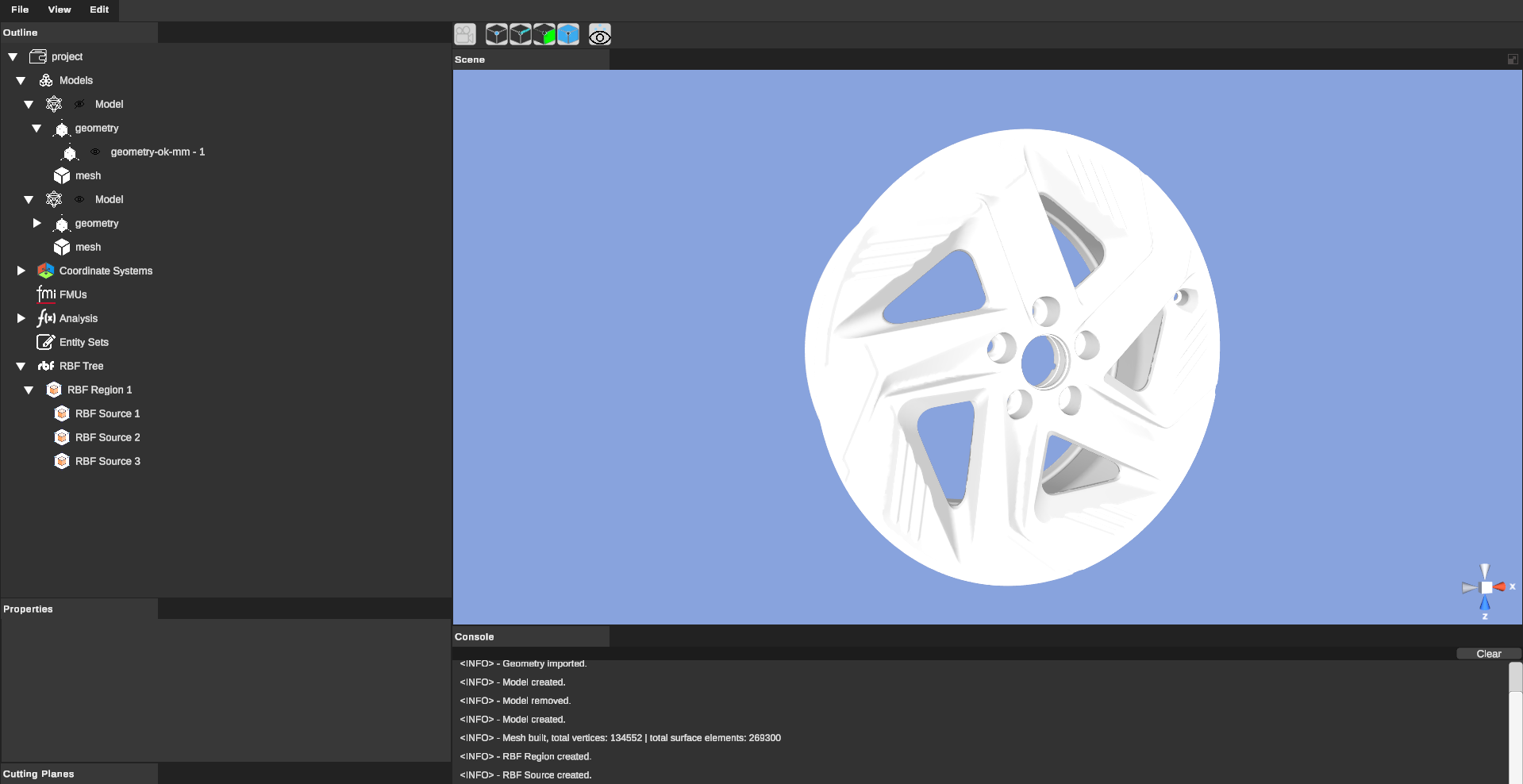
The application of numerical simulation tools in cardiovascular research has emerged as an essential paradigm for understanding hemodynamics and optimizing patient-specific interventions. In the thesis titled “Development of Computational Tools for Cardiovascular Applications” by Eirini Kardampiki, supervised by Prof. Marco Evangelos Biancolini, Dr. Emiliano Costa, and Dr. Karen-Helen Støverud at the Department of Enterprise Engineering “Mario Lucertini,” significant advancements are documented in computational modeling for cardiovascular applications. A pivotal element of this research is the integration of a high-performance RBF mesh morphing tool that enables efficient and accurate shape modifications within computational fluid dynamics (CFD) simulations.

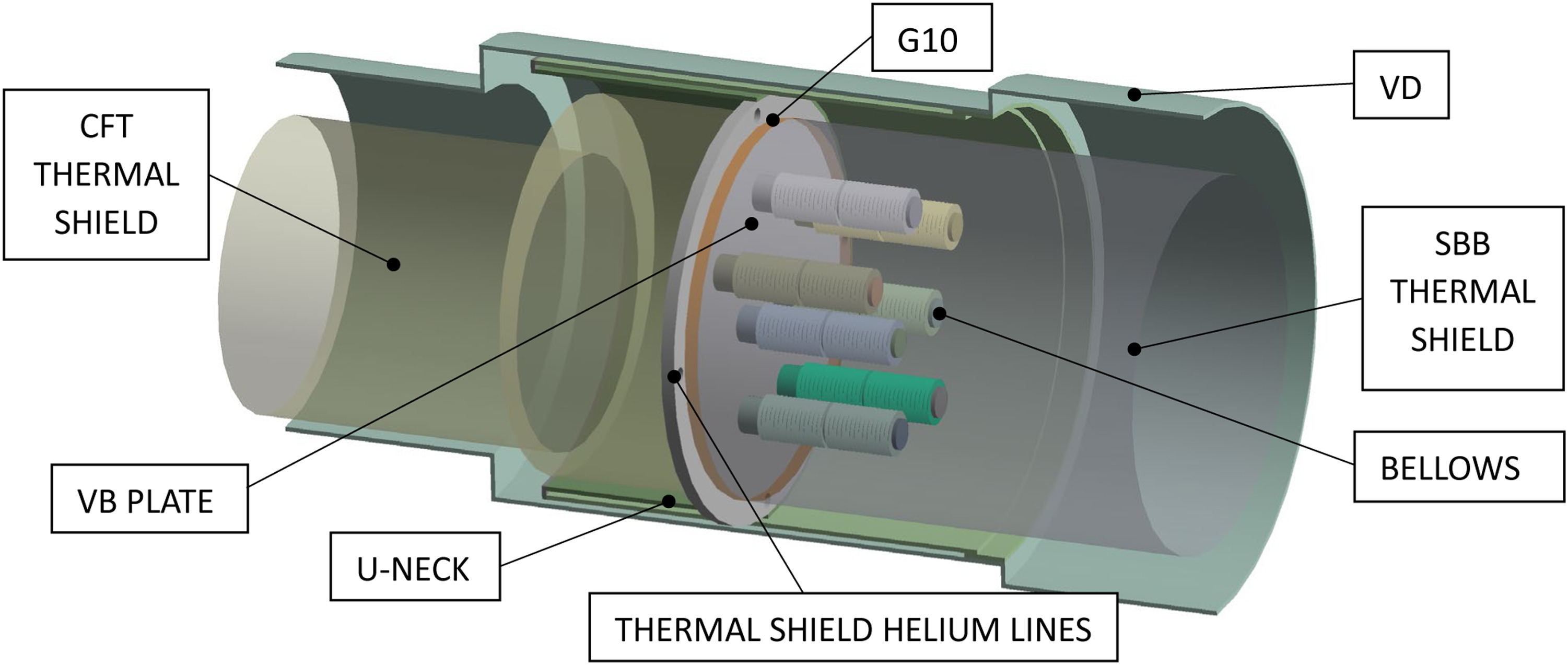
Publication Announcement: First Thermo-Structural Vacuum Barrier Design for the EU DEMO Feeders
We are pleased to announce the publication of the paper First thermo-structural vacuum barrier design for the EU DEMO feeders, authored by Corrado Groth, Andrea Chiappa, and Marco Evangelos Biancolini, in Science Direct. This research is part of the collaboration between the University of Rome Tor Vergata and EUROfusion, contributing to advancements in fusion energy technology within the framework of the EU DEMO project.
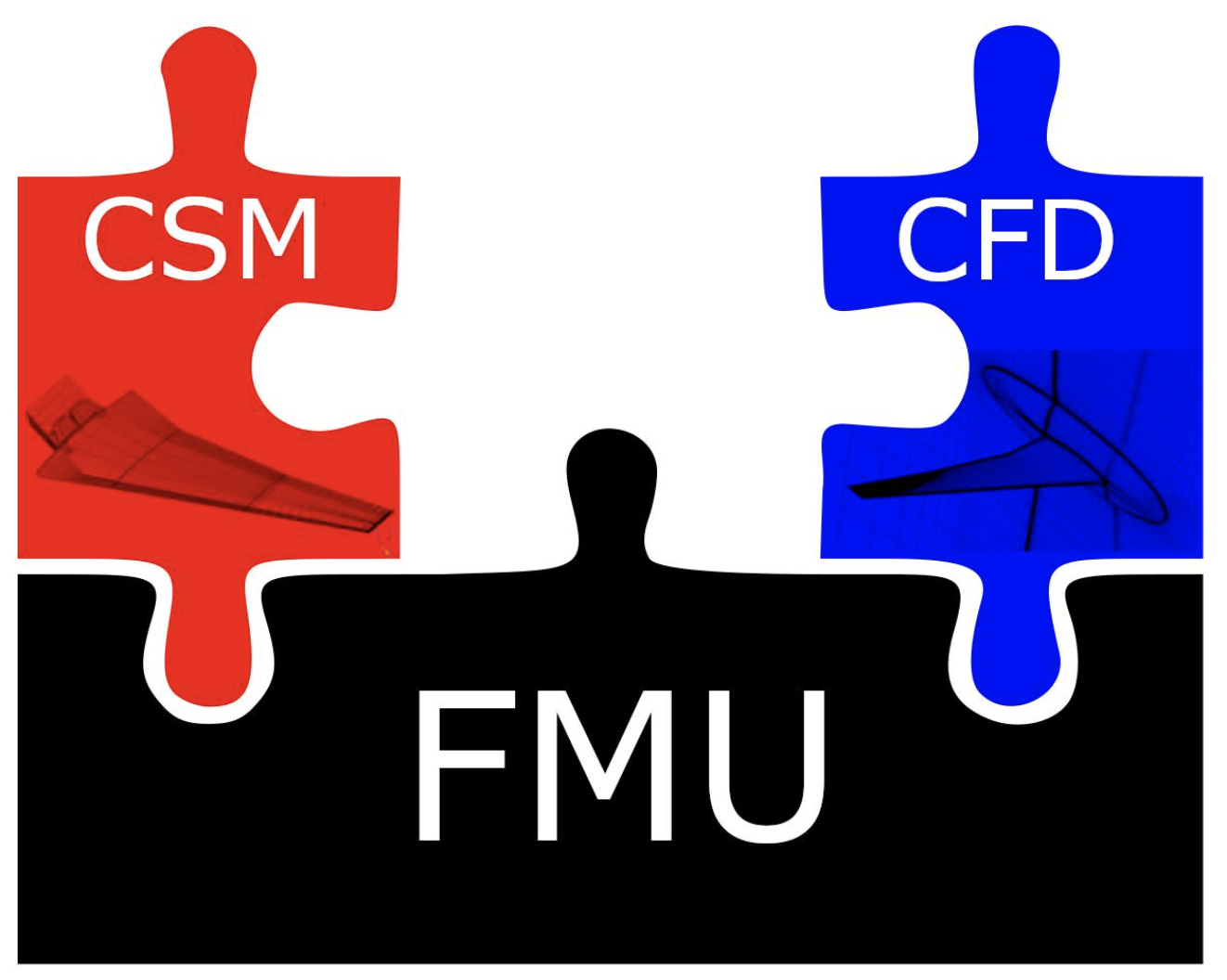
FMU4FMU: Bridging Disciplines through Fluid-Structure Co-Simulation at Tor Vergata University
The University of Rome Tor Vergata has launched the FMU4FMU (Functional Mockup Units for Fluid-Structure Co-Simulation) project, which has been selected for funding under the prestigious Bando di Ricerca Scientifica di Ateneo 2024. This initiative, running over the next 24 months, marks a significant step forward in the integration of advanced simulation tools within academic settings. Presented by a team of experts, including Andrea Chiappa, Corrado Groth, and Valerio Belardi, FMU4FMU seeks to take the Functional Mockup Interface (FMI) to new heights by transforming it into a powerful educational tool for students from diverse academic backgrounds.
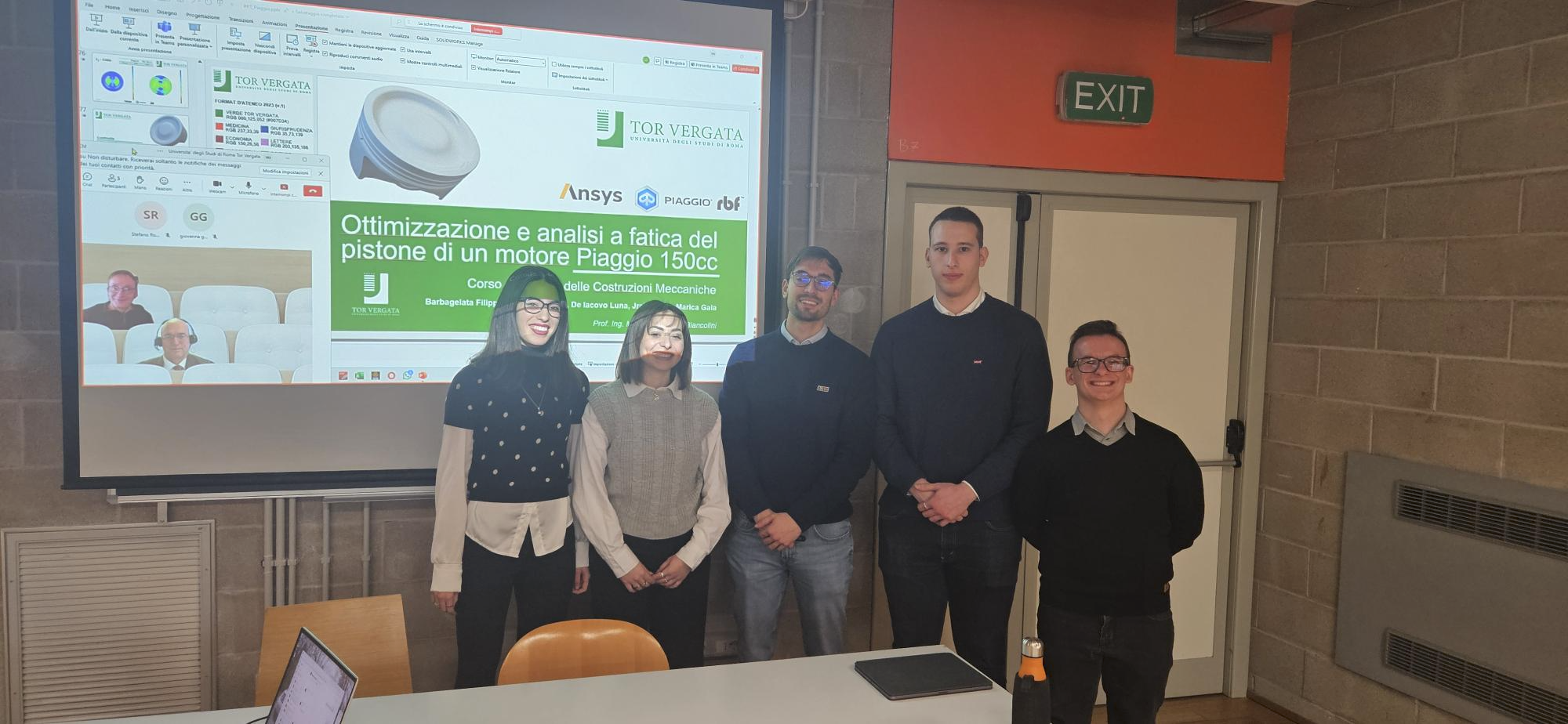
Optimization of a Piaggio 150cc Engine Piston: A Simulation-Driven Approach in the Advanced Machine Design Course at the University of Rome Tor Vergata
The Advanced Machine Design course at the University of Rome Tor Vergata, led by Professor Marco Evangelos Biancolini, provided students with the opportunity to apply cutting-edge engineering tools to a real-world structural and fatigue optimization project. The focus was on the optimization of a Piaggio 150cc engine piston, a complex task that required an interdisciplinary approach combining numerical simulation, computational optimization, and advanced engineering methodologies.
Advancing Automotive Design: Marco Biancolini’s Research Featured at NAFEMS World Congress 2025
We are pleased to announce that Marco Evangelos Biancolini has had his abstract accepted for presentation at the NAFEMS World Congress 2025. This prestigious event will take place from May 19 to May 22, 2025, in Salzburg, Austria.
Structural Optimization of Thermal Turbine Blade Roots Using the Biological Growth Method
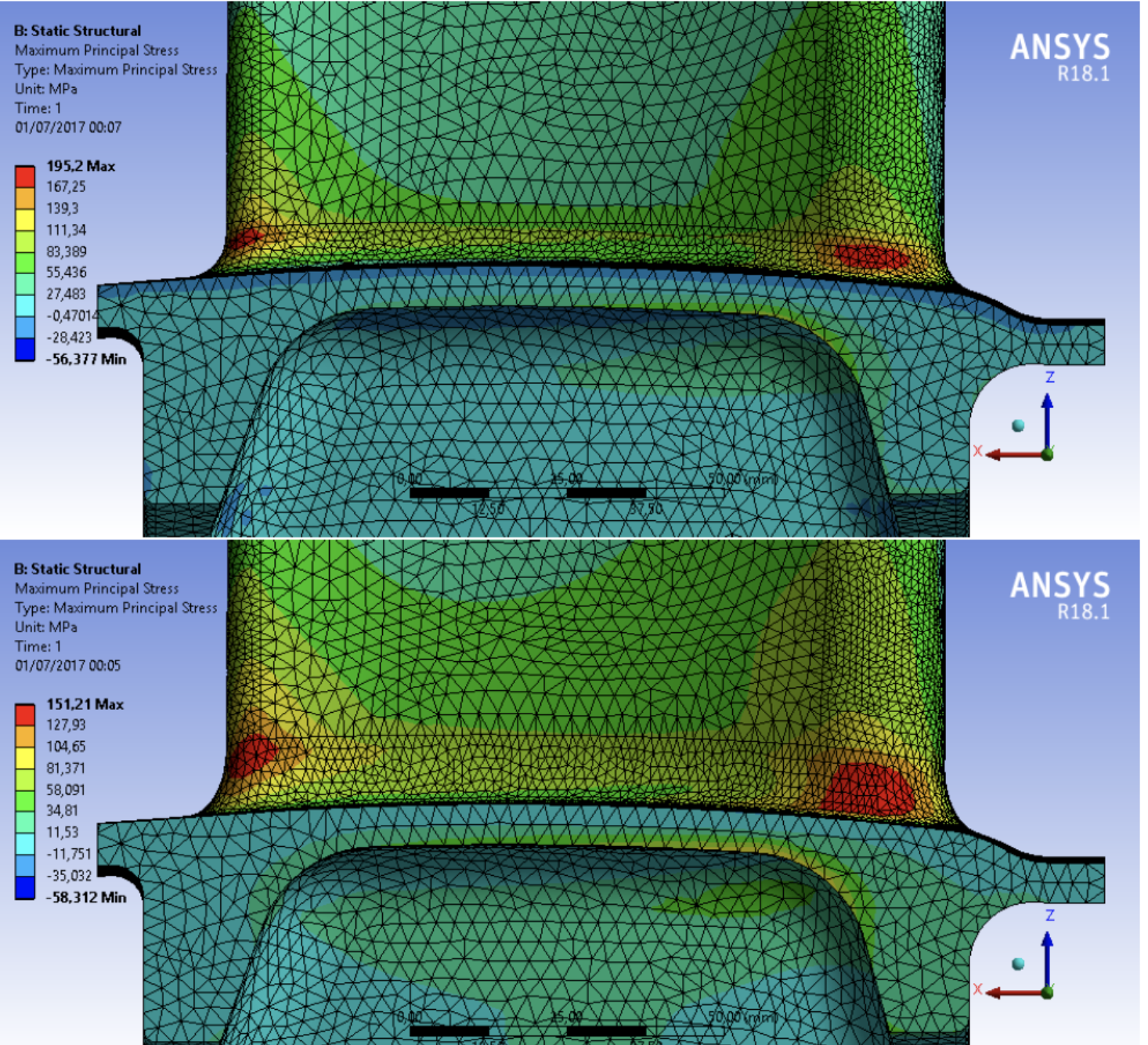
The thesis Structural Shape Optimization Using BGM at the Root of Thermal Turbine Blades, presented by Simone Putzu at the University of Rome Tor Vergata, offers a rigorous exploration of innovative methodologies for structural optimization. This research focuses on axial turbine blade roots, a critical component in thermal turbines, and integrates advanced computational tools to enhance their mechanical performance.
New Publication: Aerodynamic Optimization of Time-Trial Helmets Using Reduced-Order Modeling and Mesh Morphing
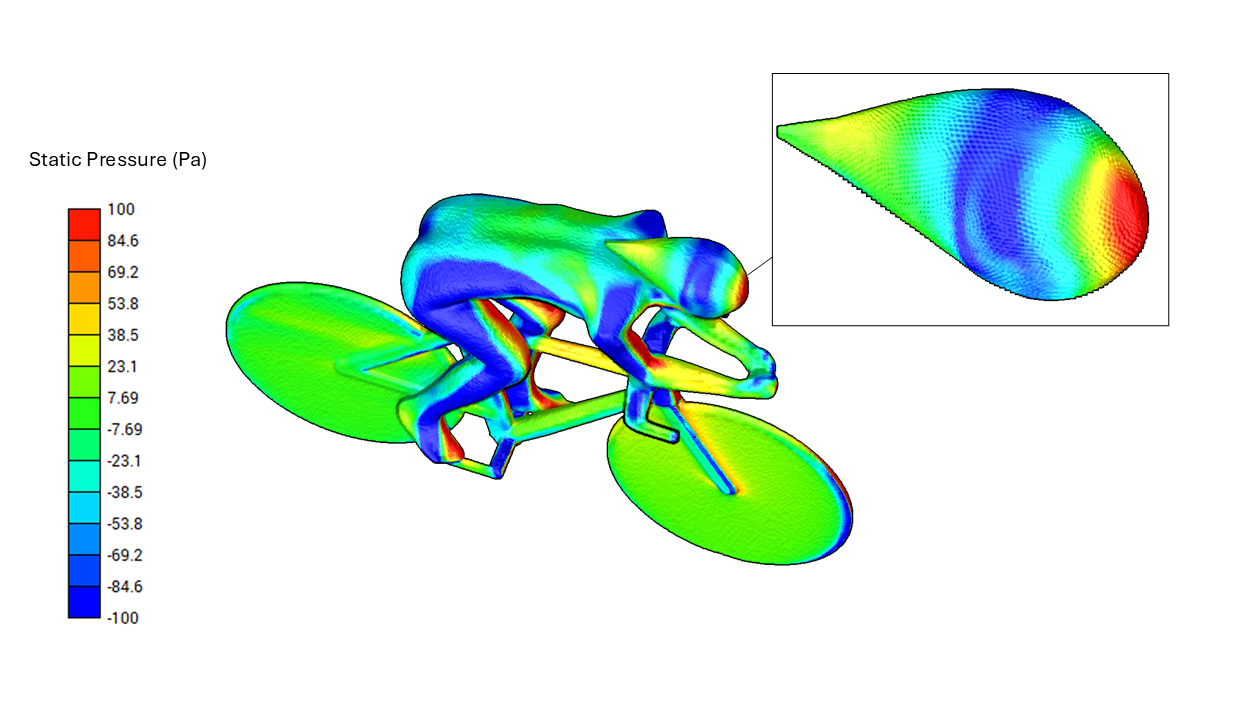
The study “Reduced-Order Model of a Time-Trial Cyclist Helmet for Aerodynamic Optimization Through Mesh Morphing and Enhanced with Real-Time Interactive Visualization,” authored by E. Di Meo, A. Lopez, C. Groth, M. E. Biancolini, and P. P. Valentini, has been published in MDPI. This research presents a methodical approach to optimizing the aerodynamics of time-trial cycling helmets through the integration of advanced computational tools.
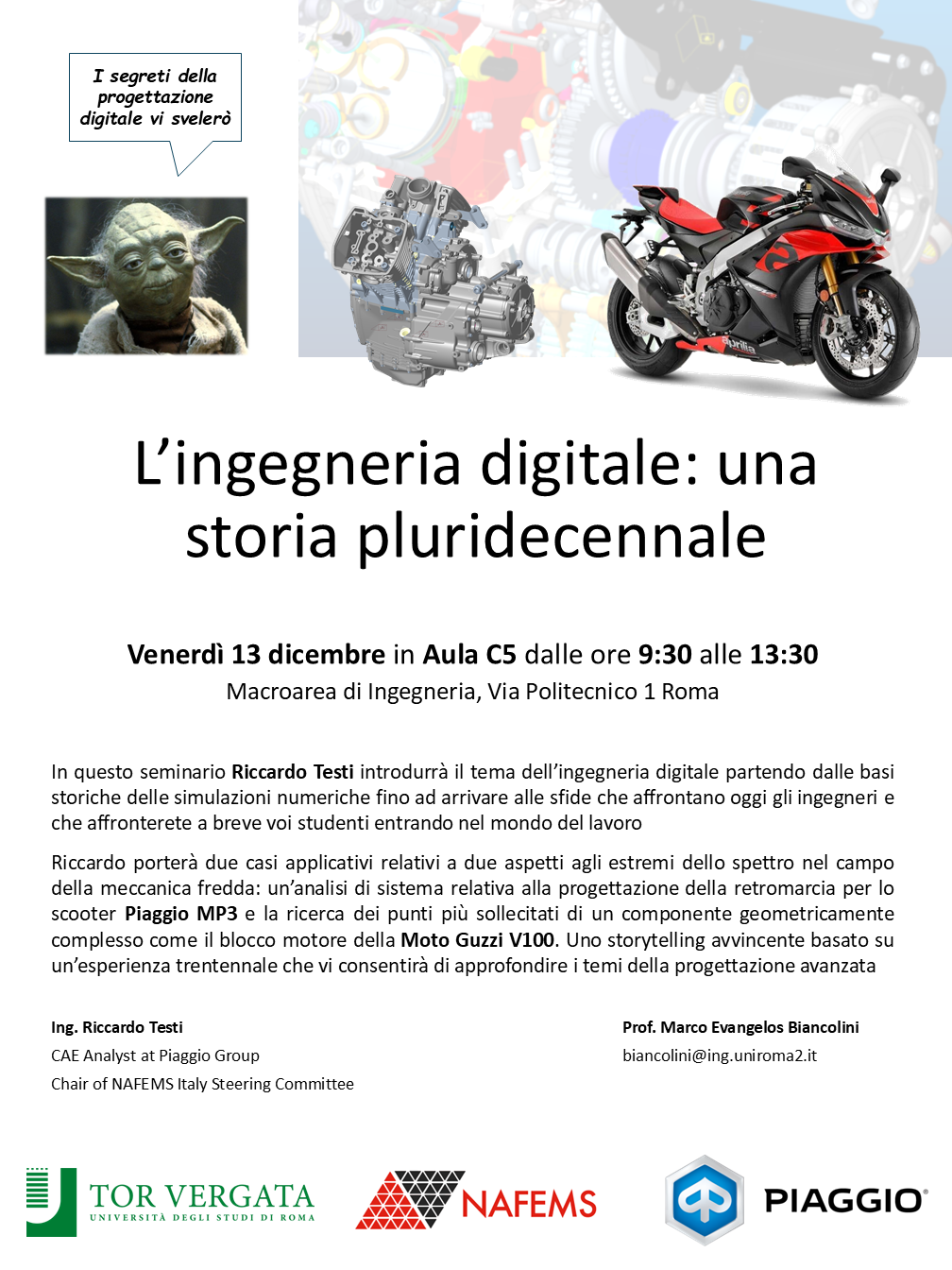
Join Us for a Piaggio Seminar on Digital Engineering
The University of Rome Tor Vergata will host a seminar featuring Riccardo Testi, CAE Analyst at Piaggio Group, who will delve into the field of digital engineering. This seminar will provide a comprehensive overview of the historical development of numerical simulations and address the challenges faced by modern engineers, offering insights that will be particularly valuable for students preparing to enter the professional world.
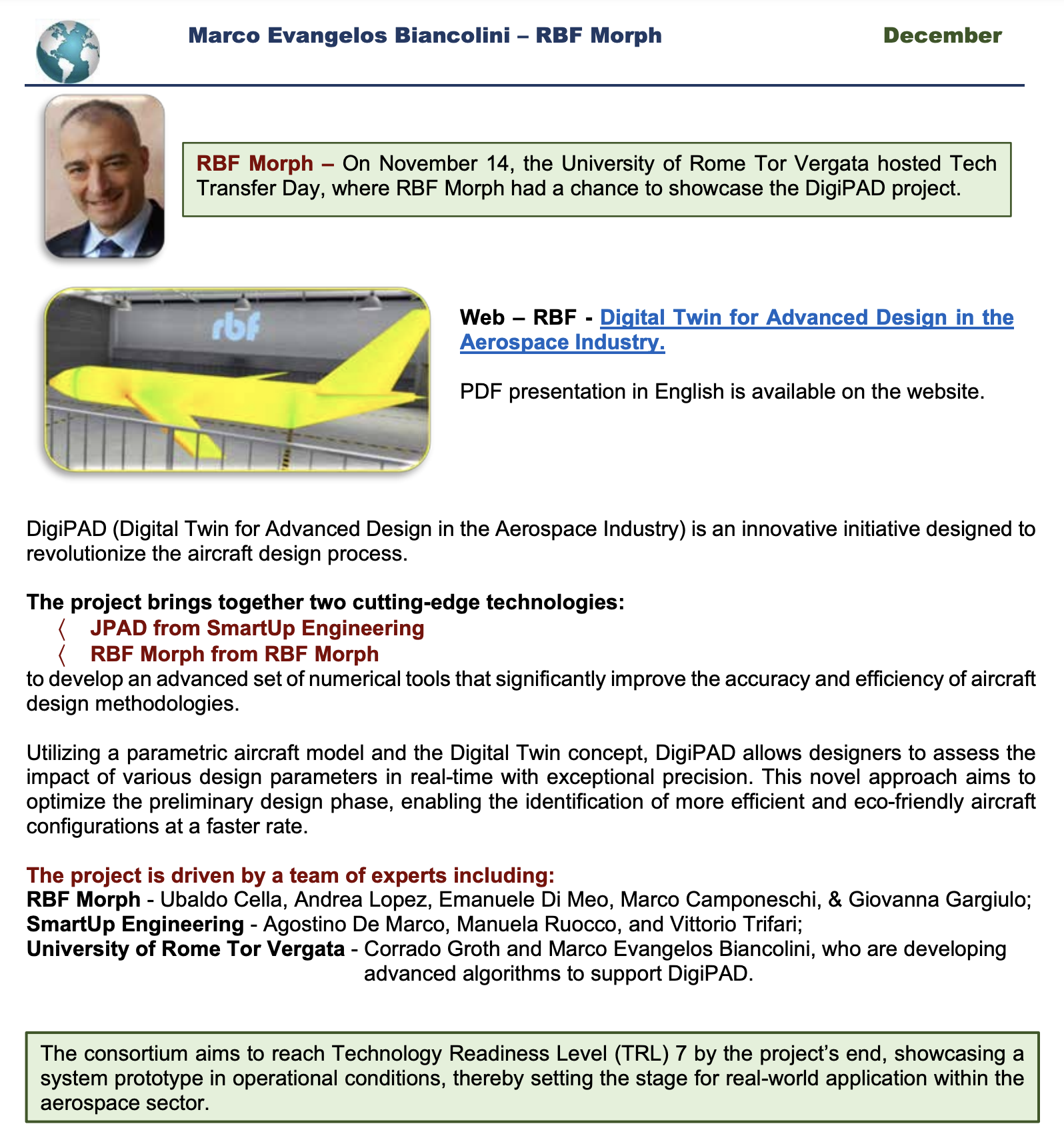
Announcing the December Issue of FEA-CAE Not to Miss & More
We are pleased to share that the rbfLAB team has contributed a detailed article on the application of digital twin technology for advanced design in the aerospace industry. This work was recently presented at the Tech Transfer Day at the University of Rome Tor Vergata.