
Advancing Morphing Wing Technology for Next-Generation Aircraft
 Written by rbfLAB on
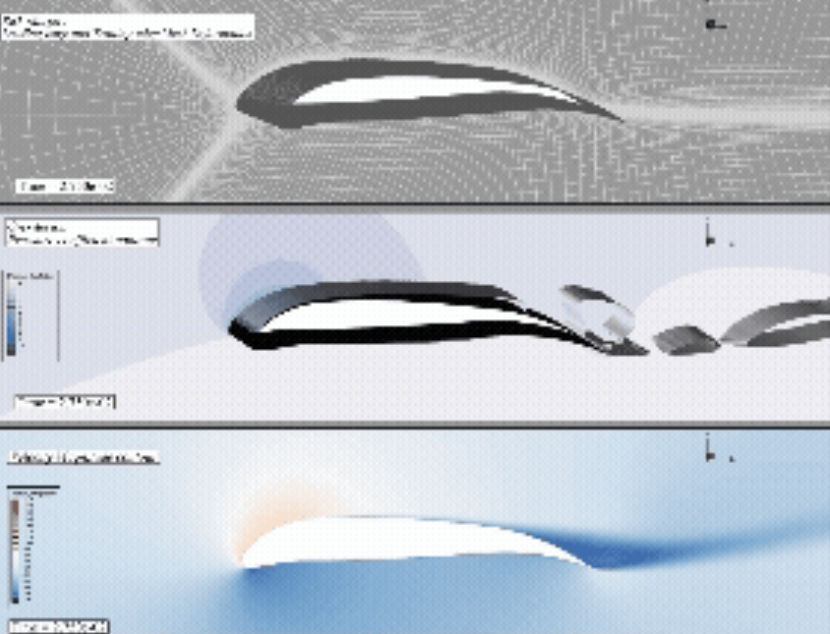
Researchers at Kingston University, in collaboration with RBF Morph, are developing advanced morphing wing technologies aimed at improving the aerodynamic performance and efficiency of future civil aircraft.
The research explores how continuous surface morphing—enabled by high-fidelity computational fluid dynamics (CFD) and mesh morphing techniques—can allow wings to adapt their shape dynamically during flight. This approach offers the potential for significant drag reduction and improved control of aerodynamic behaviour, contributing to more efficient and sustainable aviation.
While the idea of changing wing shape has historical roots, the implementation explored in this work is fundamentally different from conventional systems. Modern aircraft typically rely on flaps and slats to achieve variable camber; however, these are discrete, hinged components that introduce gaps and aerodynamic penalties.
In contrast, this research focuses on smooth, continuous morphing surfaces that avoid discontinuities in geometry. This enables much finer control of pressure distribution and airflow, with the potential to delay flow separation and enhance overall aerodynamic efficiency.
Furthermore, the use of advanced mesh morphing methods allows engineers to capture and optimise transient and nonlinear flow effects more effectively than traditional approaches, opening new possibilities in aerodynamic design and performance optimisation.
This work reflects Kingston University’s commitment to cutting-edge, industry-relevant research and highlights the value of collaboration in addressing complex challenges in aerospace engineering.
You can read the full press release here.
rbfLAB
rbfLAB is a research group located in Rome, at the University of Rome 'Tor Vergata'.
Explore more like this
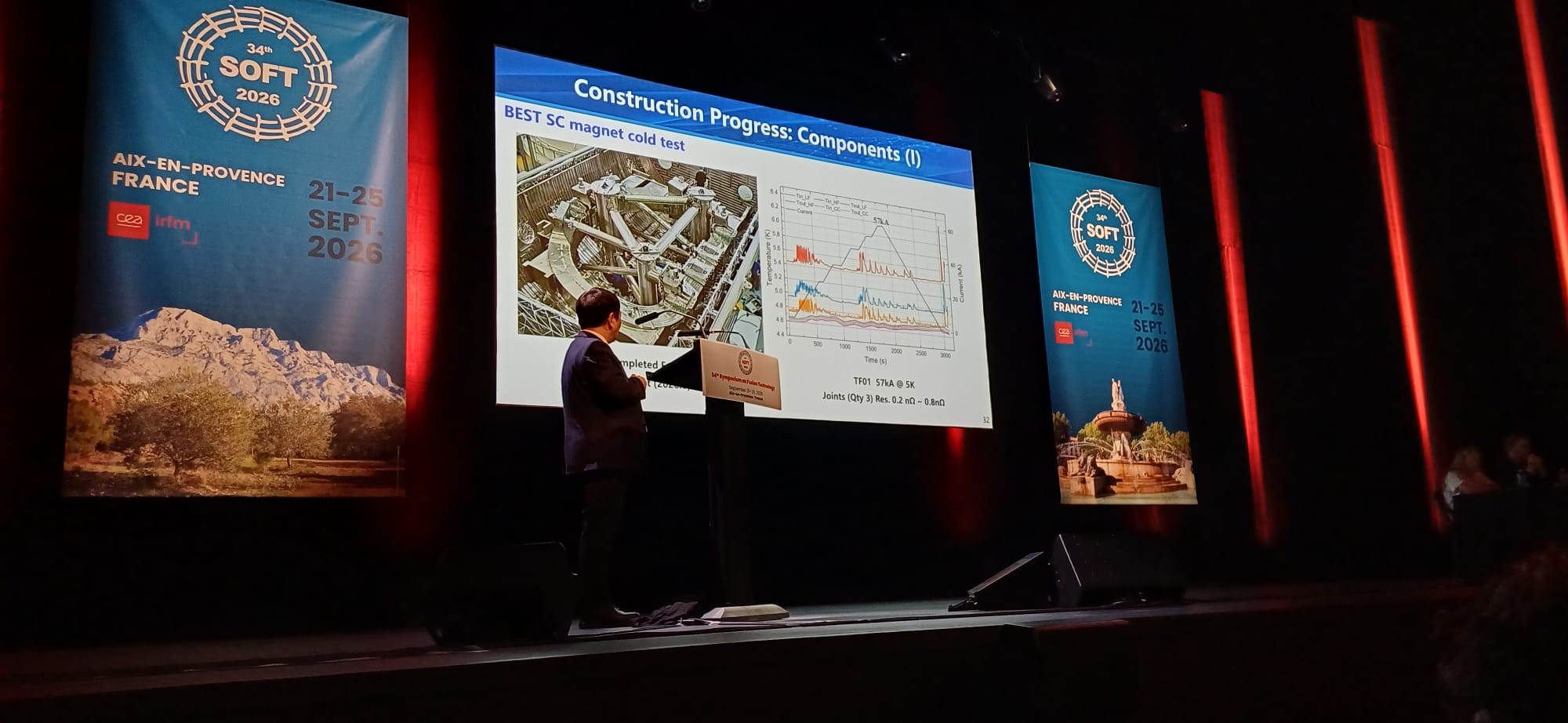
University of Rome Tor Vergata at SOFT 2026: research contributions to fusion technology
The University of Rome Tor Vergata took part in the 34th Symposium on Fusion Technology (SOFT 2026), held in Aix-en-Provence, France, from 21 to 25 September 2026. The symposium brought together researchers, engineers and industry experts from the international fusion community to present recent advances and discuss the technological challenges involved in the development of future fusion systems.

Roma Tor Vergata takes second place at Formula SAE Italy 2026
The University of Rome Tor Vergata achieved an outstanding result at the 21st edition of Formula SAE Italy, held at the “R. Paletti” Autodrome in Varano de’ Melegari, in the province of Parma.
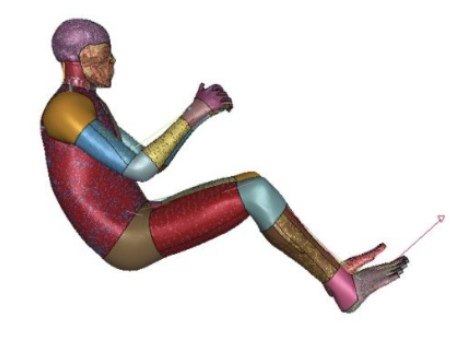
Master's Thesis Explores Reduced-Order Modeling for Human Body Articulation
A new Master’s thesis developed at the University of Rome Tor Vergata investigates advanced methodologies for the efficient articulation of digital human body models through the integration of reduced-order modeling and mesh morphing techniques.
Comments