
research group

LivGemini Featured in TecnoMedicina: Advancing Aortic Aneurysm Diagnosis with AI and Computational Modeling
We are proud to share that LivGemini, the startup originating from our research laboratory, has been featured in TecnoMedicina. The article includes an interview with CEO and Founder Leonardo Geronzi, along with co-founders Andrea Baldini and Marco Evangelos Biancolini, highlighting the development and clinical relevance of VENUS—a pioneering software solution in the field of cardiovascular diagnostics.

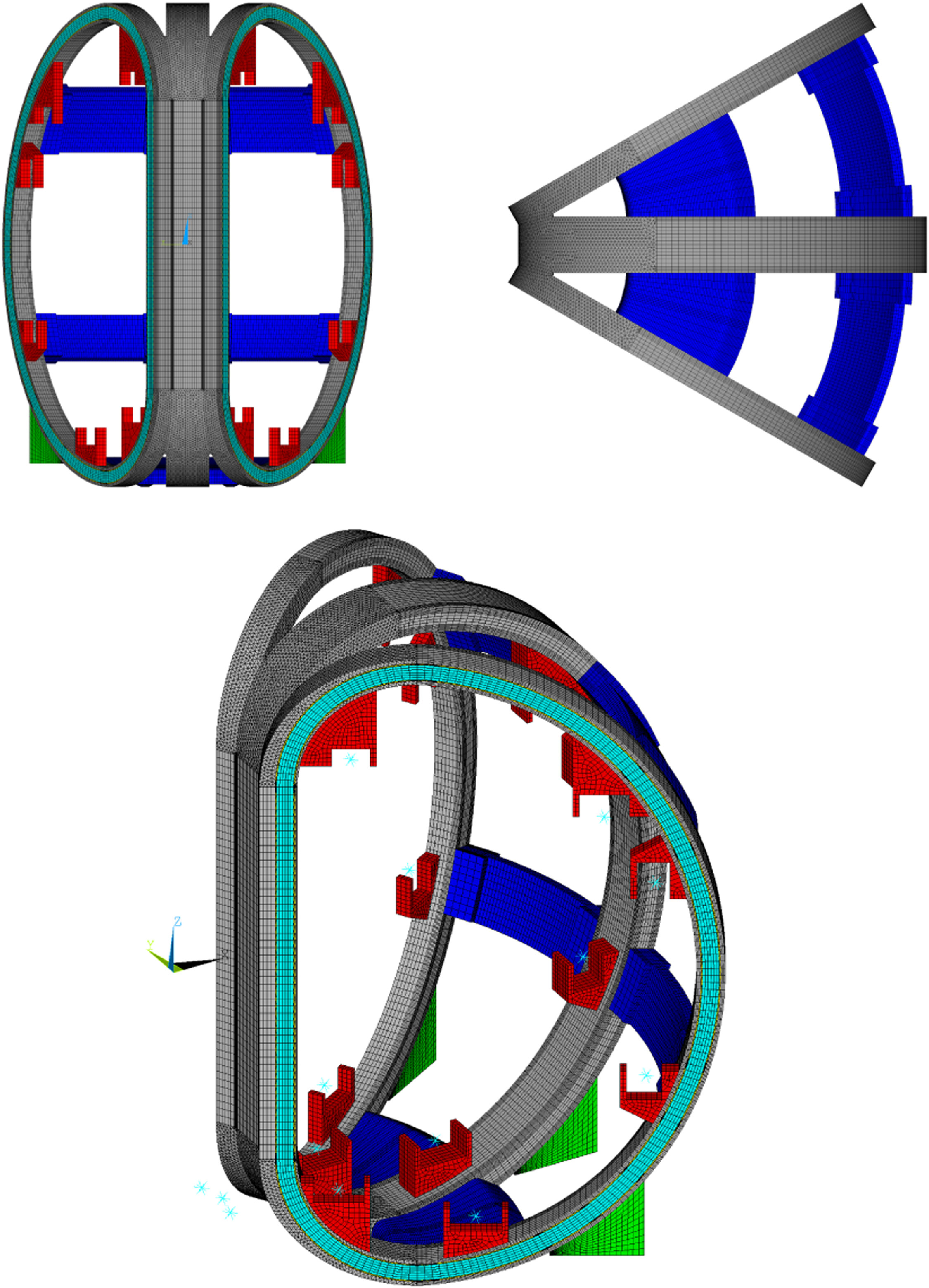
New publication in Fusion Engineering and Design – September 2025 Issue
The following article has been published: “An innovative superconducting magnetic cage concept for compact plasma with high NWL: Design and analysis” Authors: Lorenzo Giannini, Cesar Luongo, Andrea Chiappa, Corrado Groth, Marco Biancolini, Christian Bachmann, Janos Bajari, Francesco Maviglia, Curt Gliss, Richard Kamendje, Gianfranco Federici.
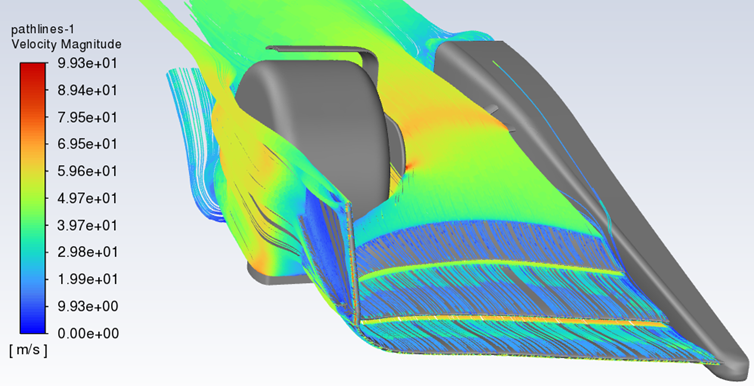
New Doctoral Research Published: Mesh Morphing-Driven Strategies for Real-Time Multi-Physics Design Optimization
We are pleased to announce the publication of the doctoral dissertation by Andrea Lopez, titled “Integrated Multi-Physics and Multi-Fidelity Methodologies for Digital Twin Applications”. This research was developed within the PhD program in Design, Manufacturing, and Operations Engineering (Cycle XXXVII) at the University of Rome Tor Vergata.
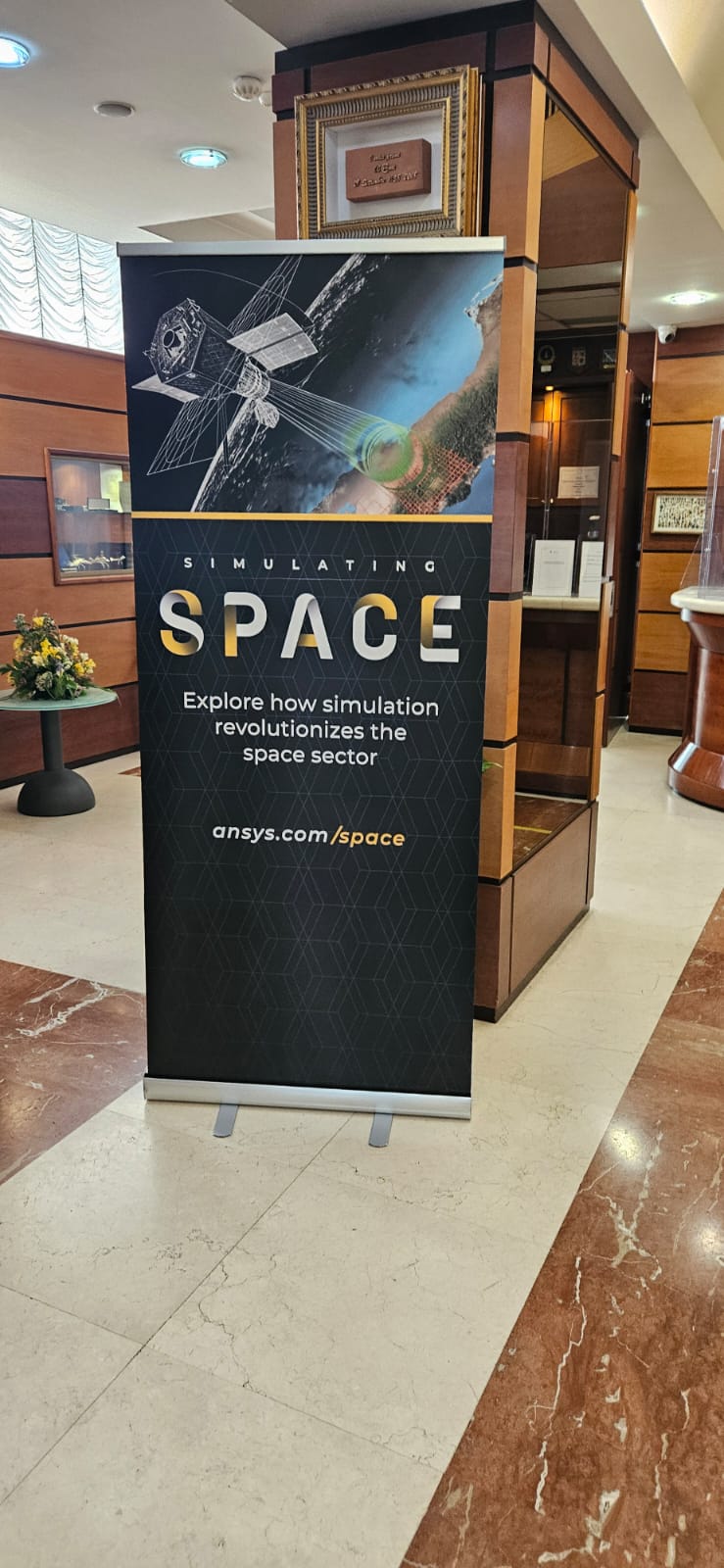
University of Rome Tor Vergata Participates in Simulating Space Rome Organized by Ansys
We are pleased to announce the participation of the University of Rome Tor Vergata in 𝐒𝐢𝐦𝐮𝐥𝐚𝐭𝐢𝐧𝐠 𝐒𝐩𝐚𝐜𝐞, a distinguished event organized by Ansys in Rome that focuses on the latest advancements in simulation technologies for the aerospace sector.
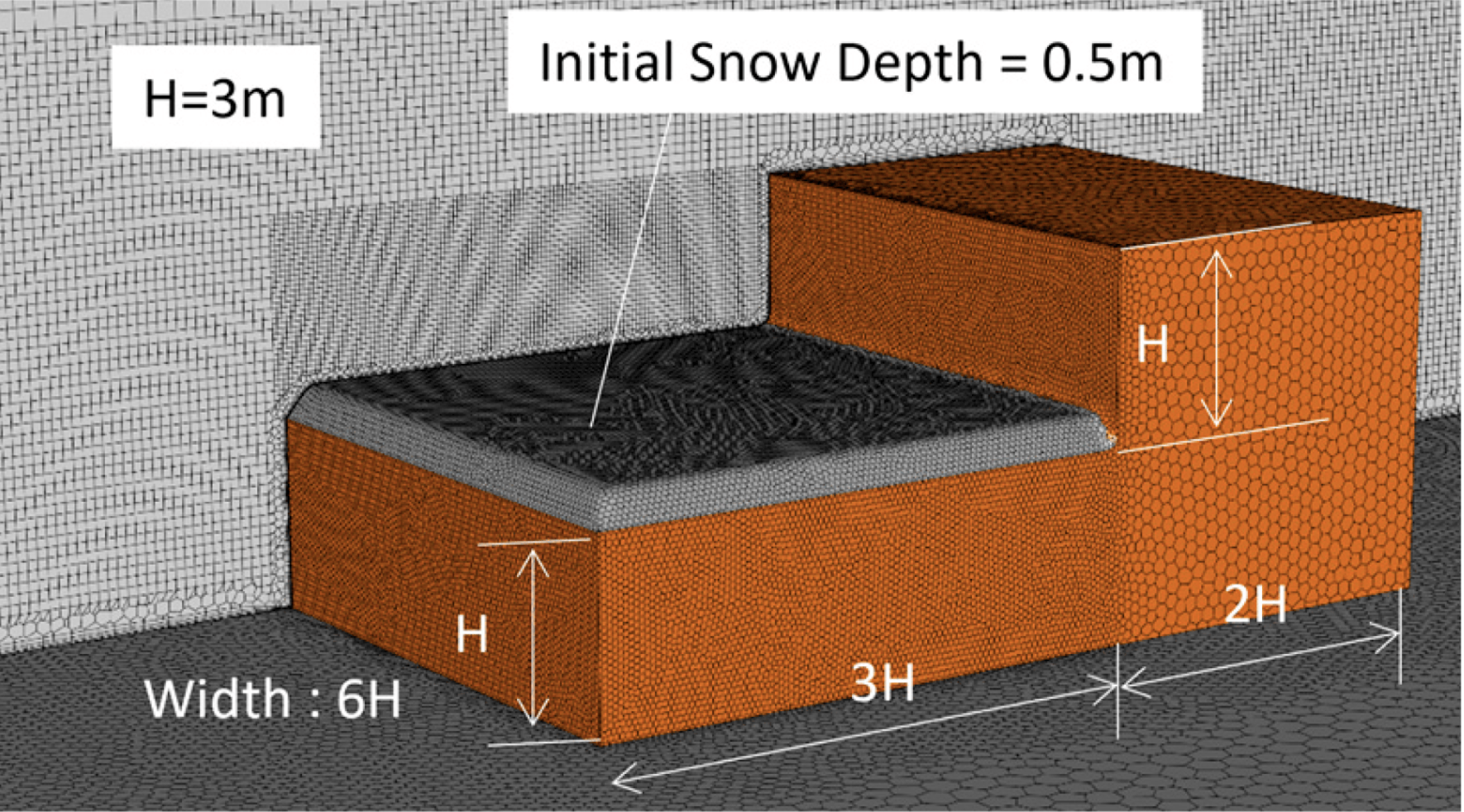
New Publication: Numerical Simulation of Snowdrift Development in Non-Equilibrium Flow Fields Around Buildings
We are pleased to announce the publication of a new collaborative research study conducted by the University of Rome Tor Vergata in partnership with Ansys Japan, titled:
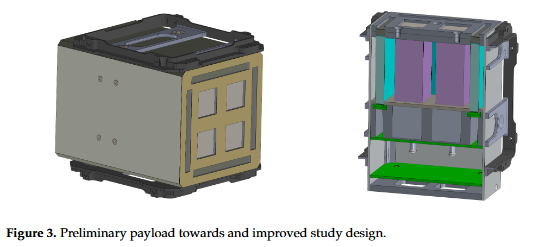
Innovative Payload Design for CubeSat Solar Polarimeter (CUSP) Uses Advanced Mesh Morphing
A new study from the University of Rome Tor Vergata, published in Engineering Proceedings, presents the design of the CubeSat Solar Polarimeter (CUSP), a cutting-edge instrument for studying space weather and solar flares through X-ray polarimetry.
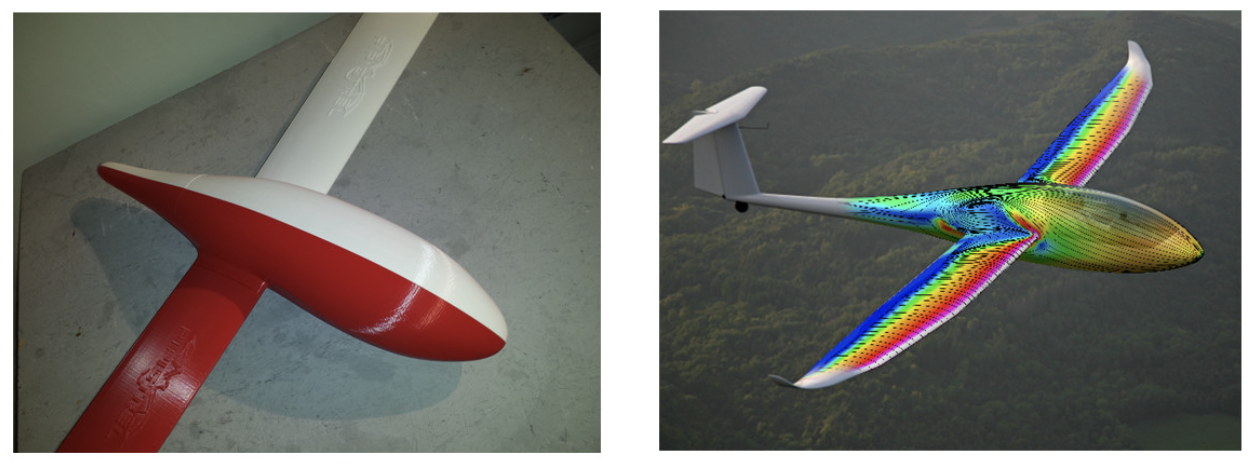
Engineering Playground: rbfLAB at the Forefront of Innovation
In 2016, Marco Evangelos Biancolini and Pier Paolo Valentini organised the “𝘌𝘯𝘨𝘪𝘯𝘦𝘦𝘳𝘪𝘯𝘨 𝘗𝘭𝘢𝘺𝘨𝘳𝘰𝘶𝘯𝘥” exhibition within The Art of The Brick in Rome. This initiative demonstrated how engineering can be as creative and stimulating as building with LEGO® bricks. With the support of industrial partners such as HSL srl, Pipistrel Aircraft, and 𝐊𝐚𝐫𝐭𝐂𝐑𝐆, six innovative projects were presented, showcasing the potential of simulation, 3D printing, and optimization. Among these, Pipistrel exhibited two particularly remarkable 3D-printed prototypes: the optimized wing of the Taurus glider and the propeller of the Alpha Electro. These examples clearly demonstrated the significant improvements achieved before and after optimization.
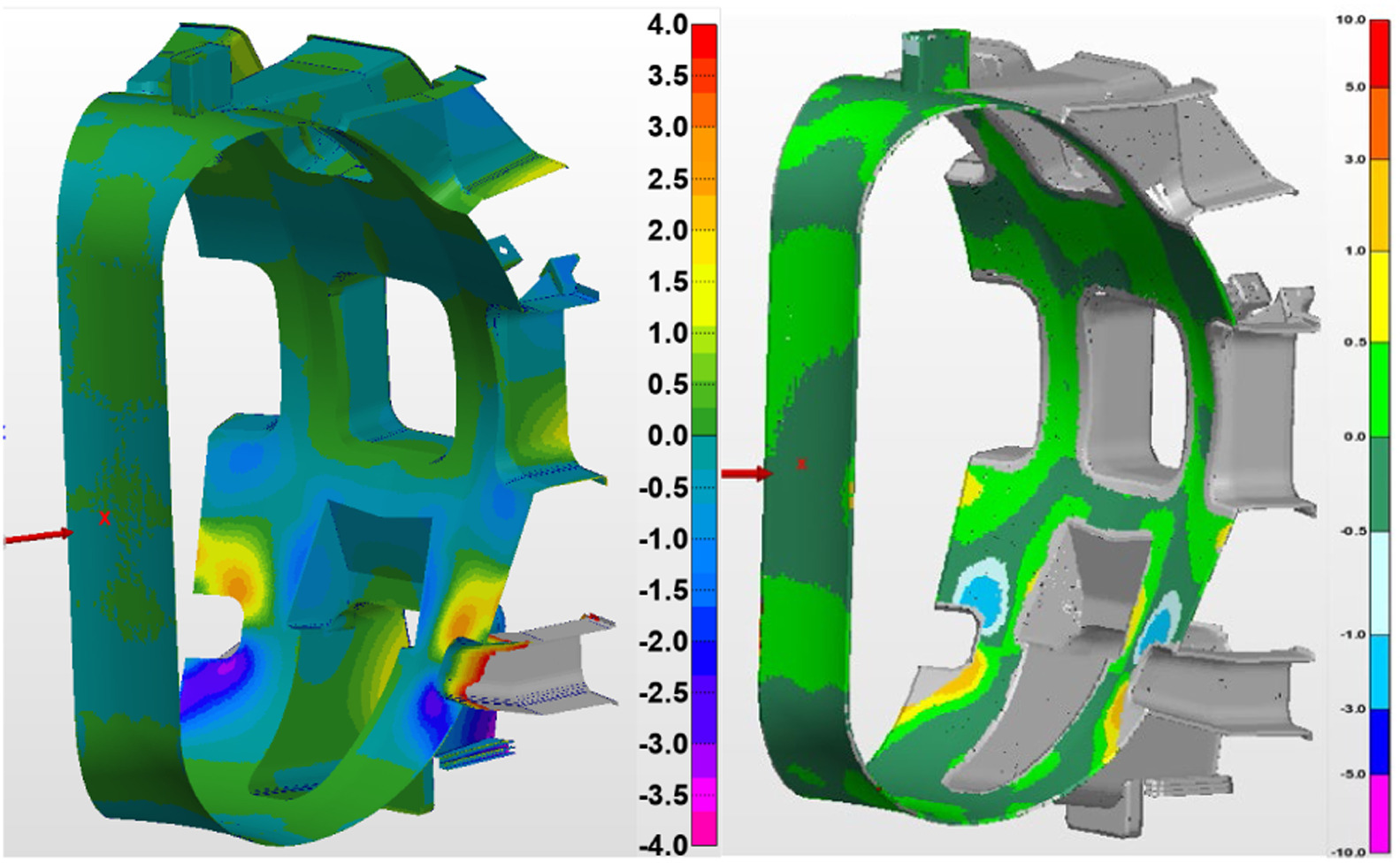
New Study Published in Fusion Engineering and Design on Vacuum Vessel Thermal Shield Deformation Analysis
A new study conducted by researchers from the University of Rome Tor Vergata has been published in Fusion Engineering and Design, presenting an advanced methodology for validating the deformation of the Vacuum Vessel Thermal Shield (VVTS) through finite element analysis and morphing techniques.
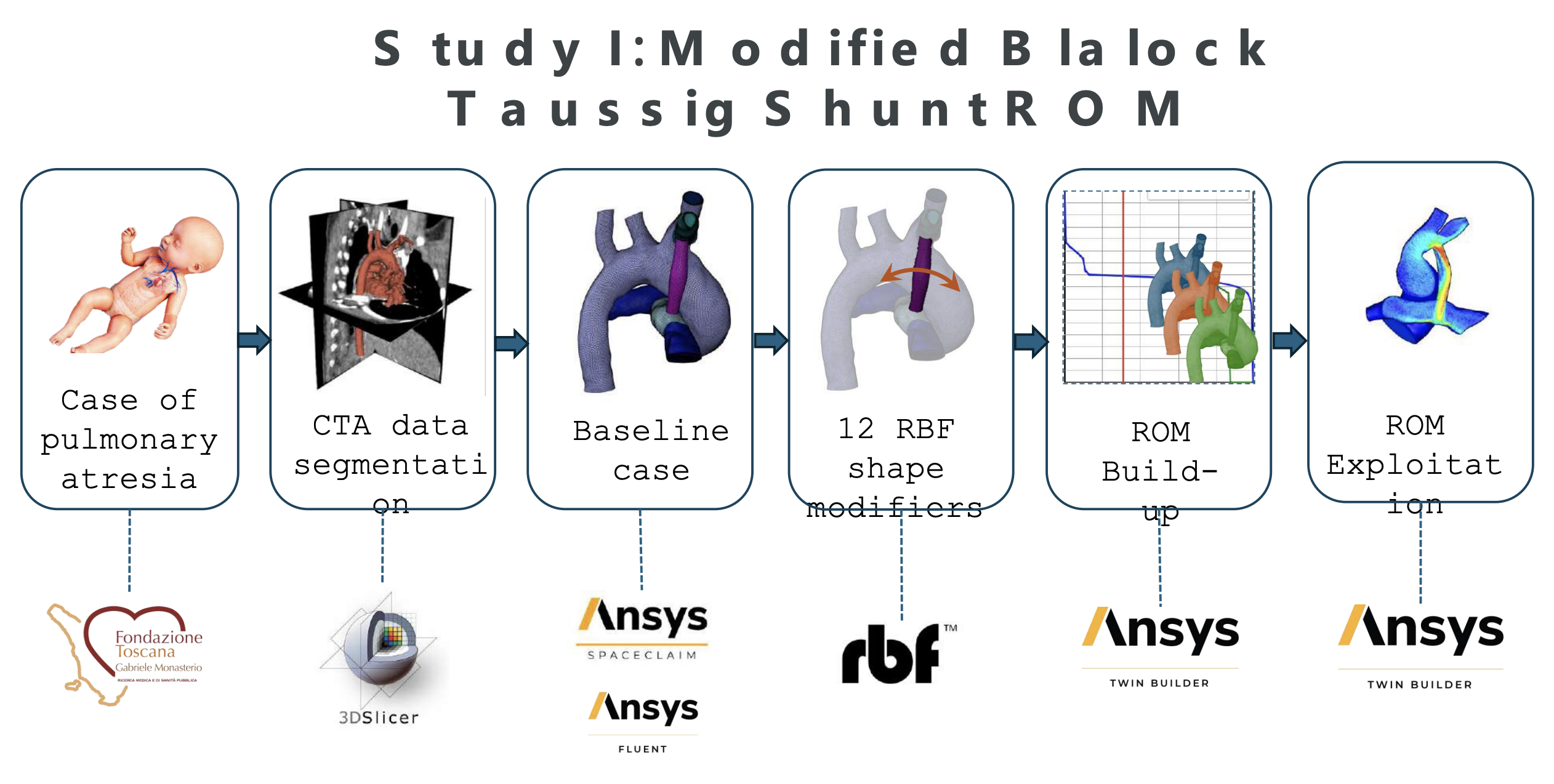
The Role of RBF mesh morphing in Cardiovascular Computational Modeling: A Critical Examination of Eirini Kardampiki’s Thesis
The application of numerical simulation tools in cardiovascular research has emerged as an essential paradigm for understanding hemodynamics and optimizing patient-specific interventions. In the thesis titled “Development of Computational Tools for Cardiovascular Applications” by Eirini Kardampiki, supervised by Prof. Marco Evangelos Biancolini, Dr. Emiliano Costa, and Dr. Karen-Helen Støverud at the Department of Enterprise Engineering “Mario Lucertini,” significant advancements are documented in computational modeling for cardiovascular applications. A pivotal element of this research is the integration of a high-performance RBF mesh morphing tool that enables efficient and accurate shape modifications within computational fluid dynamics (CFD) simulations.